Recent Developments in Cambodia
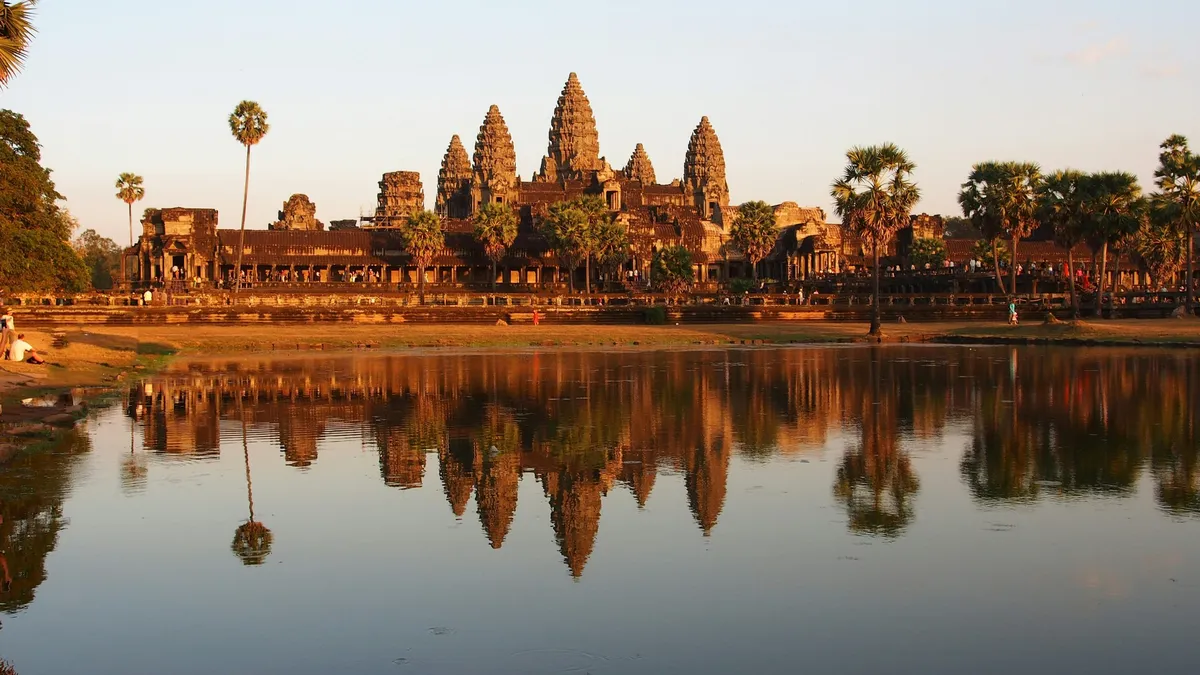
In a significant gathering, more than 14,000 people convened in Siem Reap for a Christian Bible school and festival, organized by 470 local churches across five provinces. This event reflects a growing movement of home churches at a grassroots level in Cambodia, where only approximately two percent of the population identifies as Christian.
During the festival, 80,000 Gospels of John and 6,000 Bibles were prepared for distribution to new believers. John Pudaite, a representative from Bibles for the World, expressed his encouragement, stating, “The hunger for God’s Word and the gracious way in which they accepted it… was just so encouraging to see.” This enthusiasm for faith among the youth is particularly noteworthy, as Cambodia’s population is predominantly under 18 years old.
Meanwhile, significant developments are occurring in the realm of corporate accountability. Norway’s pension fund recently sold its shares in Bolloré due to human rights violations associated with Socfin plantations in Cambodia. Socfin controls around 370,000 hectares of palm oil and rubber plantations across ten countries, raising concerns about land grabs and polluted water sources reported by affected communities.
Community members from the Bunong community in Busra, Cambodia, supported Norway’s decision, highlighting the importance of corporate responsibility in addressing local grievances. An Indonesian labour representative remarked, “Norway’s decision showed that someone was listening to affected workers and communities.” This reflects a growing awareness and response to human rights issues linked to corporate practices.
In the context of environmental concerns, the Mekong River, which is vital for many communities, faces challenges due to dam constructions that have led to an estimated 80% loss in fishery for some species. Critics argue that the current approach to managing the river is detrimental, with one stating, “This is not cooperation; it is a rat race tearing the Mekong apart.”
As these events unfold, they underscore the intersection of faith, community, and corporate responsibility in Cambodia. The recent festival highlights a burgeoning Christian movement, while the actions of the Norway pension fund signal a shift towards greater accountability in business practices affecting local populations.
Details remain unconfirmed regarding the full impact of these developments on the communities involved and the broader implications for Cambodia’s socio-economic landscape.