Introduction
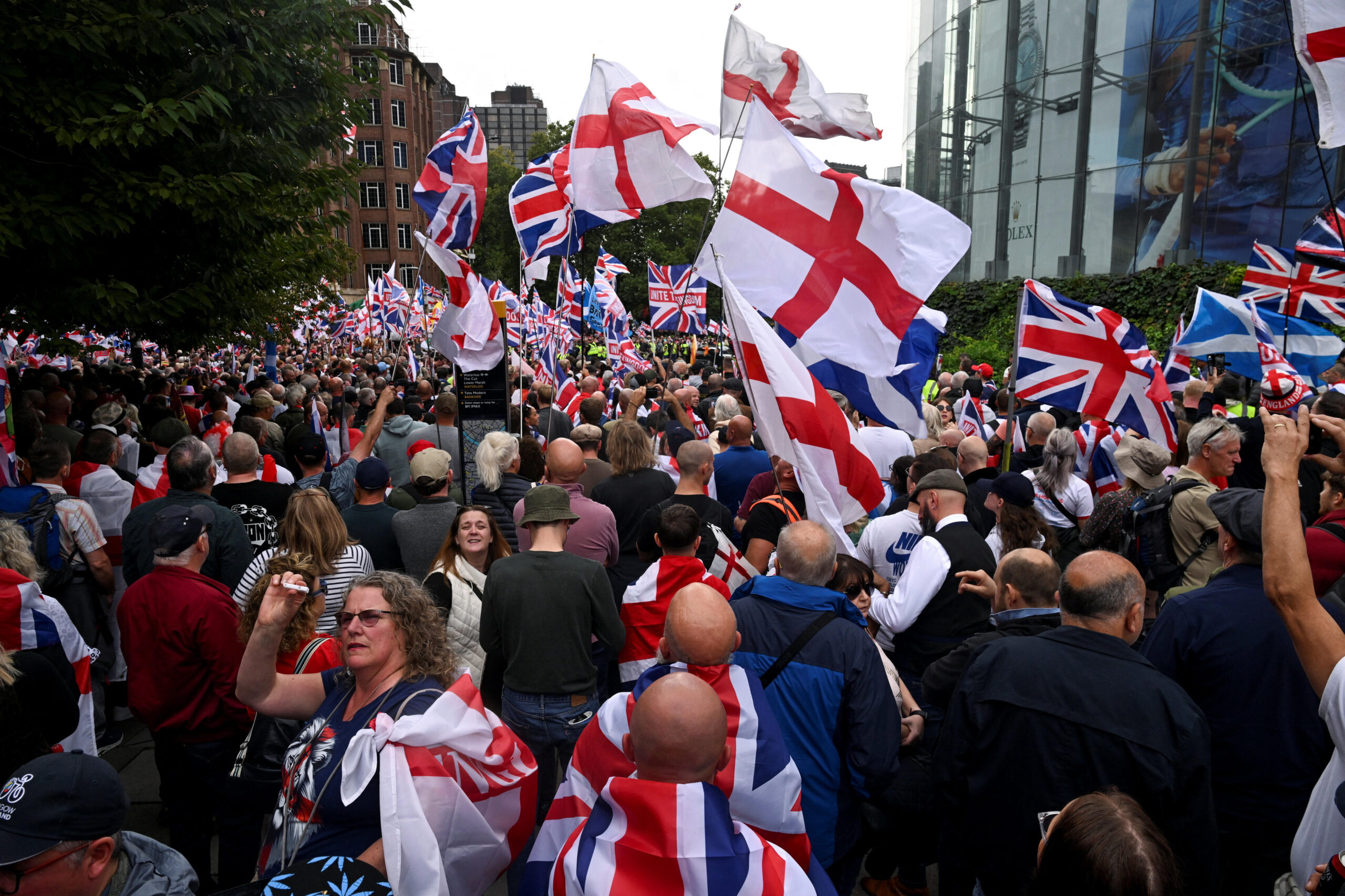
In recent weeks, London has witnessed a surge in protests reflecting the city’s vibrant civil rights culture and active engagement in socio-political issues. These protests emerge as crucial indicators of public sentiment, serving as a platform for citizens to voice their grievances and aspirations. Understanding the dynamics behind these events sheds light on pressing issues facing the capital today and the potential implications for its future.
The Current Wave of Protests
In late October 2023, thousands of demonstrators took to the streets of London, rallying for various causes, with climate change, social justice, and workers’ rights being at the forefront. Prominent groups, including Extinction Rebellion and Black Lives Matter UK, led the charges, calling for urgent government action and increased accountability. The protests also addressed growing concerns regarding the cost-of-living crisis, which has hit communities hard, leading to unrest and calls for substantial policy changes.
Key Events and Developments
One of the most notable protests occurred on October 28, 2023, where participants marched towards the Houses of Parliament, demanding more robust climate action in light of the recent COP28 discussions. The organisers claimed over 10,000 attendees, with slogans focusing on the urgency of climate legislation. Additionally, another prominent protest highlighted the plight of striking workers across multiple sectors, advocating for better pay and working conditions.
While most of the activities remained peaceful, a small fraction of protests resulted in clashes with law enforcement, leading to dozens of arrests. The Metropolitan Police emphasised their commitment to facilitating peaceful demonstrations while maintaining public order. As tensions rise, safety concerns grow, prompting city officials to reassess the balance between expressing dissent and maintaining order.
Conclusion and Future Implications
The recent protests in London represent a growing discontent within the population, addressing critical issues that resonate deeply within many communities. As these movements evolve, their impacts on public policy and grassroots activism will likely be significant. With various groups increasingly mobilising for change, the need for dialogue between citizens and officials becomes more pressing than ever.
Looking ahead, it is probable that the London protests will continue to shape the socio-political landscape, pushing important conversations into the mainstream. As public demonstrations remain a crucial facet of democracy, their outcomes may define the city’s trajectory in addressing not just immediate grievances but also long-term challenges faced by its residents.