Introduction
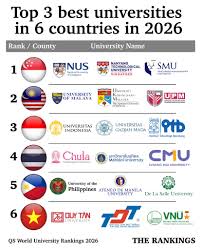
University rankings hold significant importance in the global education landscape, impacting students’ choices, institutional reputations, and funding opportunities. As the world prepares for the 2026 university rankings, understanding the trends and methodologies behind these evaluations is crucial for students, educators, and policymakers alike. This year’s ranking cycle brings forth new challenges and considerations, particularly in light of the ongoing effects of the COVID-19 pandemic and shifting educational norms.
Key Factors Influencing Rankings
Rankings are typically determined by a combination of factors, including academic reputation, faculty-to-student ratio, research output, and international diversity. According to recent reports, agencies like QS World University Rankings and Times Higher Education are continuously refining their criteria to better reflect the evolving educational landscape. For instance, increased emphasis is being placed on student well-being and the impact of teaching techniques on student outcomes.
Recent Trends in Higher Education
As we look towards 2026, several trends are emerging that are likely to influence university rankings. Firstly, the rise of online education has been significant, with many institutions integrating hybrid learning models that allow for greater flexibility. Additionally, universities are placing a greater focus on sustainability and social impact, which may become increasingly relevant criteria in the ranking systems.
Moreover, global competition is intensifying, particularly among institutions in Asia and the United States. These regions have witnessed substantial investments in research and infrastructure, potentially altering their standings in upcoming rankings.
Anticipated Changes for 2026
Experts believe that the launch of new methodologies in rankings may shift perceptions about the role and effectiveness of universities. As institutions worldwide strive to adapt to the post-pandemic educational environment, innovations in how they approach education will be monitored closely. The integration of technology in classrooms and new metrics like mental health support for students could redefine success in higher education.
Conclusion
As the 2026 university rankings approach, their implications will be felt across academic institutions worldwide. The evolving criteria for evaluation may lead to unexpected shifts in the rankings landscape. For prospective students, understanding these shifts can help inform their choices. For educators and administrators, adapting to these changes will be pivotal in maintaining or improving their institution’s standing. The next few years will be crucial for universities to embrace new challenges and redefine their strategies in a dynamically changing environment.