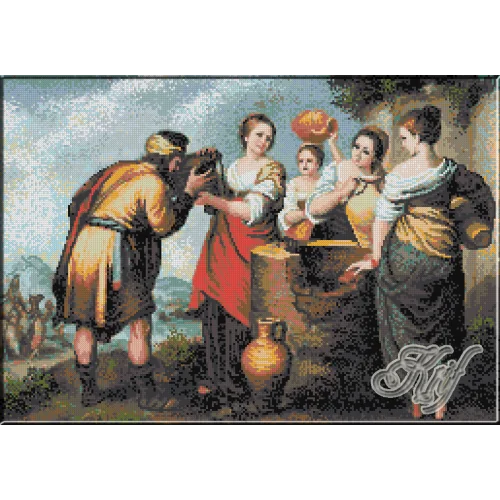
Introduction
Bartolomé Esteban Murillo, one of Spain’s most celebrated Baroque painters, is known for his captivating depictions of religious themes and everyday life. His work not only reflects the cultural and religious sentiments of 17th-century Spain but also has had a lasting impact on the artistic world. As we continue to witness renewed interest in classic artworks, understanding Murillo’s contributions gains significance, both for art enthusiasts and historians alike.
Life and Career
Born in 1617 in Seville, Murillo’s early life was marked by his immersion in the vibrant art scene of the city. He began his artistic training under the guidance of Francisco de Herrera and later developed his signature style characterized by warm, radiant colors and soft forms. His reputation flourished during the mid-1640s when he produced notable pieces such as “The Immaculate Conception” and “The Holy Family with a Little Bird.” These works, rich in emotion and spirituality, captured the hearts of the public and critics alike.
Artistic Style and Influence
Murillo’s artistry is distinguished by its harmonious blend of realism and idealism. His portraits of children, particularly, showcase a tender and affectionate portrayal that appeals universally. In addition to religious inclusions, Murillo often painted scenes of daily life in Seville, displaying his ability to convey deep human emotion through relatable subjects. This blend of themes solidified his reputation as a versatile painter while influencing generations of artists, including the likes of Jean-Baptiste-Siméon Chardin and Édouard Manet.
Recent Exhibits and Collections
In recent years, interest in Murillo’s work has surged, evidenced by major exhibitions in prominent art institutions. The Murillo exhibition at the Museo de Bellas Artes in Seville in 2021 drew thousands, showcasing over 100 pieces, including famed works on loan from other galleries. Online platforms and virtual museum tours also play a pivotal role in making these masterpieces accessible to a global audience, ensuring that his legacy continues to inspire and educate.
Conclusion
Bartolomé Esteban Murillo’s impact on the art world is undeniable, with his clever amalgamation of cultural elements and emotional depth. As contemporary artists and scholars revisit and analyse his work, it highlights not only his relevance in historical context but also his continuing influence on modern art. As we appreciate the intricacies of his paintings, readers are encouraged to explore his creativity and spirit through both past and current exhibitions, ensuring that Murillo’s legacy endures for future generations.