Introduction
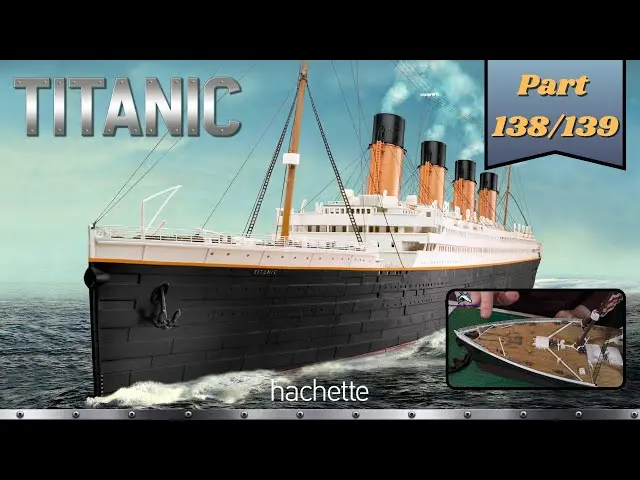
The Titanic, an ocean liner that sank on its maiden voyage in April 1912, remains one of history’s most infamous maritime disasters. Its story is not only a tale of tragedy but also a catalyst that led to profound changes in maritime safety regulations and public consciousness. Understanding the Titanic’s historical significance is essential as it illustrates both human hubris and the limits of technology.
The Tragic Voyage
On April 10, 1912, the RMS Titanic set sail from Southampton, England, to New York City, embarking on what was expected to be a routine transatlantic journey. With over 2,200 passengers and crew on board, the Titanic was touted as the largest and most luxurious ship of its time, featuring state-of-the-art technology and opulent amenities. However, on April 14, in the icy waters of the North Atlantic, disaster struck. At approximately 11:40 PM, the Titanic collided with an iceberg, leading to its tragic sinking just hours later.
Impact and Aftermath
The loss of the Titanic had immediate and devastating consequences. Over 1,500 lives were lost, making it one of the deadliest maritime disasters in history. The sinking prompted widespread outrage and sorrow, leading to numerous investigations. The inquiry revealed serious deficiencies in safety protocols, such as insufficient lifeboats for passengers and inadequate iceberg warning systems. In response, the International Convention for the Safety of Life at Sea (SOLAS) was established in 1914, creating strict regulations regarding ship safety and navigational practices.
Enduring Legacy
The Titanic’s legacy has survived through countless books, films, and exhibits, keeping the memory of the event alive. James Cameron’s 1997 film, *Titanic*, reignited public interest and opened discussions about the human stories behind the tragedy. Museums worldwide feature artifacts from the ship, such as pieces of the hull and personal belongings, allowing new generations to connect to this historical event. Furthermore, the tragedy continues to spark public discussions about safety regulations in the maritime industry, reflecting the enduring power of the Titanic’s story.
Conclusion
The Titanic’s sinking was more than a mere accident; it became a transformative event that reshaped international maritime law and safety standards. It serves as a poignant reminder of the dangers of complacency and the necessity of vigilance in safety measures. As we continue to explore the tale of the Titanic, it remains crucial to remember the lessons learned, ensuring that such a tragedy is never repeated in the future.