Introduction to Breast Cancer Screening
Breast cancer is one of the most common cancers affecting women worldwide, making early detection critical for effective treatment. Breast cancer screening plays a vital role in identifying the disease at an early stage, which can significantly improve survival rates. With advancements in medical technology and changing guidelines, understanding the importance of regular screening is more relevant than ever.
Current Guidelines and Recommendations
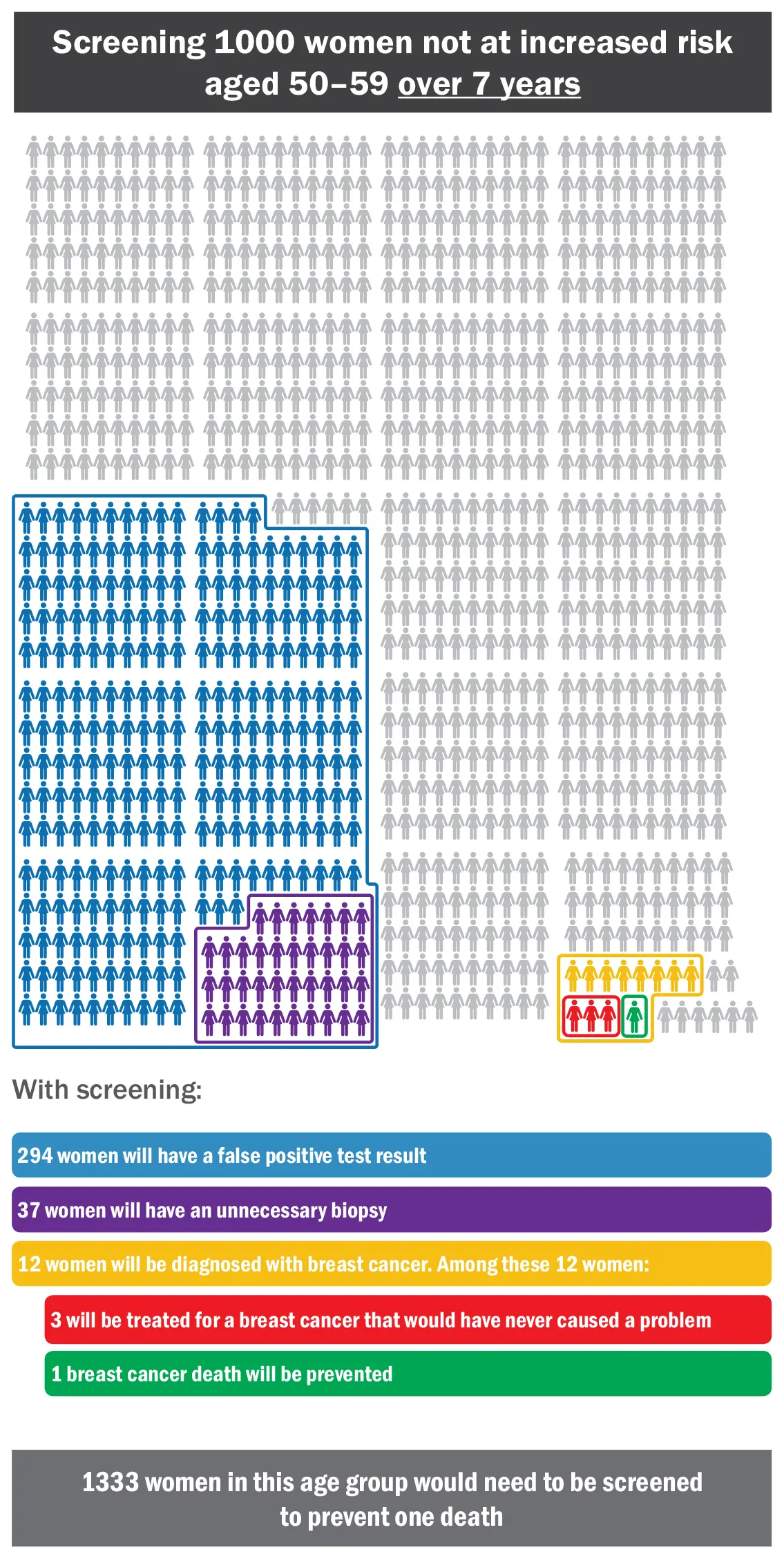
The National Health Service (NHS) guidelines recommend that women aged 50 to 70 receive routine breast screening every three years. However, ongoing discussions within the medical community support extending the age of screening to younger women, particularly those with a family history of breast cancer. As of 2023, some healthcare providers are advising women aged 40 to 49 to discuss personal breast cancer risk factors with their doctors and consider earlier screening.
Advancements in Screening Technology
Recent technological advancements have transformed breast cancer screening methods. Traditional mammograms are still the primary form of screening, but digital mammography and 3D breast imaging, known as tomosynthesis, are gaining popularity. These technologies have shown to enhance the detection rates of small tumours, ultimately leading to earlier intervention.
AI and Machine Learning in Screening
Moreover, the integration of artificial intelligence in the interpretation of mammograms has shown promising results. AI systems can analyse images and highlight areas of concern, potentially reducing the workload of radiologists and improving diagnostic accuracy. Early studies indicate that AI can assist in detection rates that are on par with human experts.
Challenges and Awareness Initiatives
Despite the importance of screening, several challenges persist. Access to screening services can vary significantly based on socio-economic factors, leading to disparities in breast cancer outcomes. Furthermore, during the COVID-19 pandemic, many women delayed screening, raising concerns about undetected cases. In response, various health organisations have launched awareness campaigns to encourage women to prioritise routine screening and attend check-up appointments.
Conclusion
Breast cancer screening is a crucial component of women’s health that can save lives through early detection. With the evolving guidelines and innovative technologies, the future of screening looks promising. It is essential for women to stay informed about these changes and engage in meaningful discussions with their healthcare providers about their screening plans. As awareness grows and more women participate in regular screenings, we can hope for improved outcomes in the fight against breast cancer.