Introduction
Rubella, also known as German measles, is a contagious viral infection that poses significant health risks, particularly to pregnant women and their unborn children. Its relevance in public health is underscored by the importance of vaccination and awareness to prevent outbreaks. Recent developments highlight a need for renewed focus on rubella, especially in light of vaccine hesitancy and varying levels of immunization across different regions.
Overview of Rubella
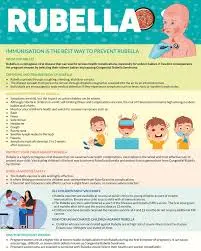
Rubella is caused by the rubella virus and is transmitted through respiratory droplets when an infected person coughs or sneezes. Symptoms typically manifest as a mild rash, fever, and swollen lymph nodes, which may not appear in all individuals. While rubella is usually mild in healthy children and adults, it can have severe consequences for pregnancies. If contracted during the first trimester, rubella can lead to congenital rubella syndrome (CRS), resulting in serious birth defects or stillbirth.
Current Global Scenario
According to the World Health Organization (WHO), rubella remains a public health concern in many parts of the world. In 2019, before the global disruptions caused by the COVID-19 pandemic, an estimated 100,000 cases of rubella were reported worldwide. The WHO aims for rubella elimination in regions with comprehensive vaccination programmes. However, in regions where vaccination coverage is low, there have been increases in cases, prompting health officials to address the decline in immunisation rates.
Vaccination Efforts
The rubella vaccine is highly effective and is typically administered as part of the MMR (measles, mumps, rubella) vaccine. Efforts to increase vaccination rates have led to success stories in many countries, with nationwide campaigns promoting awareness about the benefits of immunisation. The UK’s National Health Service (NHS) provides two doses of the MMR vaccine, ensuring that children are adequately protected against rubella and reducing the incidence of CRS.
Conclusion
As rubella remains a preventable disease, it is crucial that communities and health organisations continue to promote vaccination and monitor immunisation coverage. The resurgence of vaccine-preventable diseases during the COVID-19 pandemic highlights the importance of maintaining public health measures and ensuring access to vaccines. Ongoing education and awareness campaigns are vital to safeguard future generations from rubella and its potential complications. A concerted effort towards improving vaccination rates can significantly reduce the risk of rubella outbreaks and protect vulnerable populations.