Introduction
Hezbollah, a Shiite militant group and political party based in Lebanon, has played a significant role in Middle Eastern geopolitics since its formation in the early 1980s. As tensions in the region continue to escalate, understanding Hezbollah’s actions and motivations is crucial for grasping the broader implications for stability in Lebanon and beyond.
Recent Developments
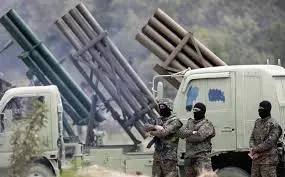
In recent months, Hezbollah has been increasingly active amid rising tensions between Israel and Iranian-backed factions in the region. According to reports, the group conducted a series of cross-border operations into Israeli territory, citing self-defence against perceived threats from the Israeli Defence Forces (IDF). On October 6, 2023, a significant exchange of fire occurred in the Shebaa Farms area, resulting in casualties on both sides. This incident marked one of the most severe escalations in years.
Additionally, Hezbollah has been vocal in its support for the Palestinian cause, especially following recent uprisings and conflicts in Gaza. Accordingly, the group has demonstrated unity with other militant factions such as Hamas, calling for regional solidarity against Israel. Emergent narratives from the group framed its support as part of a larger resistance movement, which can galvanise local and regional support amidst ongoing humanitarian crises.
The International Response
The international community’s response has been varied. The United States has reiterated its support for Israel, expressing concern over Iran’s influence in the region, including Hezbollah’s activities. Notably, the Biden administration issued a warning regarding any escalation by Hezbollah, signalling the potential for US intervention if hostilities spread.
Conversely, Iran has continued to provide financial and military support to Hezbollah, cementing their relationship. Iranian officials have praised Hezbollah’s actions as justifiable resistance, further complicating diplomatic efforts in the region.
Conclusion
In conclusion, Hezbollah remains a pivotal player in the Middle East, shaping the dynamics of conflict and diplomacy in Lebanon and surrounding areas. As the group’s activities escalate, the potential for wider regional conflict increases, necessitating closer monitoring from both national governments and international organisations.
Looking ahead, analysts suggest that if Hezbollah continues its current trajectory, we may see intensified confrontations that could lead to broader military engagements. Understanding Hezbollah’s motivations and strategic objectives will remain essential for policymakers aiming to navigate the complexities of Middle Eastern geopolitics effectively.