Introduction
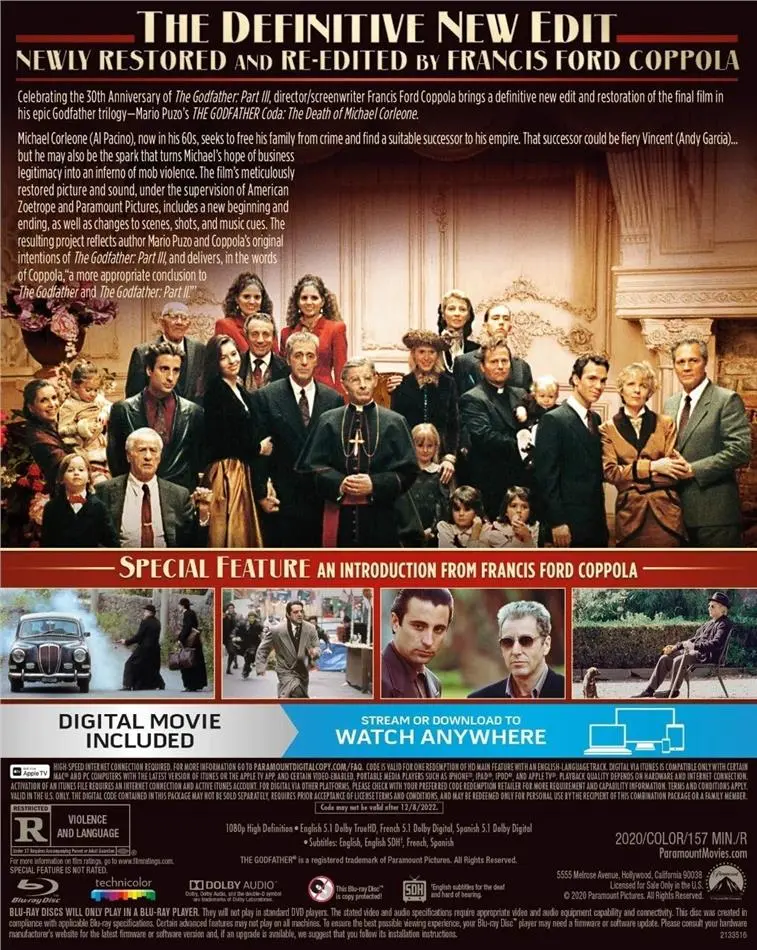
The Godfather has long been hailed as one of the greatest films in cinematic history. Released in 1972, the film not only pioneered the crime genre but also shaped the portrayal of the Mafia in popular culture. Directed by Francis Ford Coppola and based on Mario Puzo’s best-selling novel, The Godfather explores themes of power, family loyalty, and the American Dream. Its relevance persists today, resonating with audiences and filmmakers alike.
The Making of a Classic
The Godfather was released on March 24, 1972, and has since earned numerous accolades, including three Academy Awards, with Marlon Brando winning Best Actor for his role as Vito Corleone. The film’s innovative storytelling, coupled with its rich character development and complex moral dilemmas, set it apart from conventional films of the era. Iconic scenes and quotes from the movie, such as “I’m gonna make him an offer he can’t refuse,” have become part of cultural lexicon.
The cast, featuring Al Pacino, James Caan, and Robert Duvall, contributed to the film’s success, offering performances that are studied in acting schools to this day. Coppola’s masterful direction and Puzo’s foundational narrative allowed The Godfather to portray the allure and dangers of organized crime with a lens that is both captivating and cautionary.
Recent Events and Relevance
The Godfather’s influence continues to be felt. In 2022, the film celebrated its 50th anniversary with various screenings and retrospectives worldwide, introducing the saga to a new generation. Film festivals honoured its legacy, showcasing how it has influenced modern filmmakers. Additionally, the emergence of streaming platforms allowed new audiences to engage with the film, thereby reinforcing its status as a cultural milestone.
The film’s themes remain relevant, addressing issues of power dynamics, family ties, and moral complexities, echoing in today’s society amidst discussions on crime, justice, and ethics. In a time where gangster narratives proliferate, The Godfather stands as a benchmark for storytelling.
Conclusion
The Godfather is not just a film; it is a cultural phenomenon that transcends its genre. Its examination of the intricate interplay between power and family continues to captivate audiences, affirming its status as a timeless masterpiece. As new cinematic experiences emerge, the legacy of The Godfather will endure, influencing both the stories told and the way they are told, ensuring its place in the annals of film history for years to come.