Introduction to the Gendarmerie
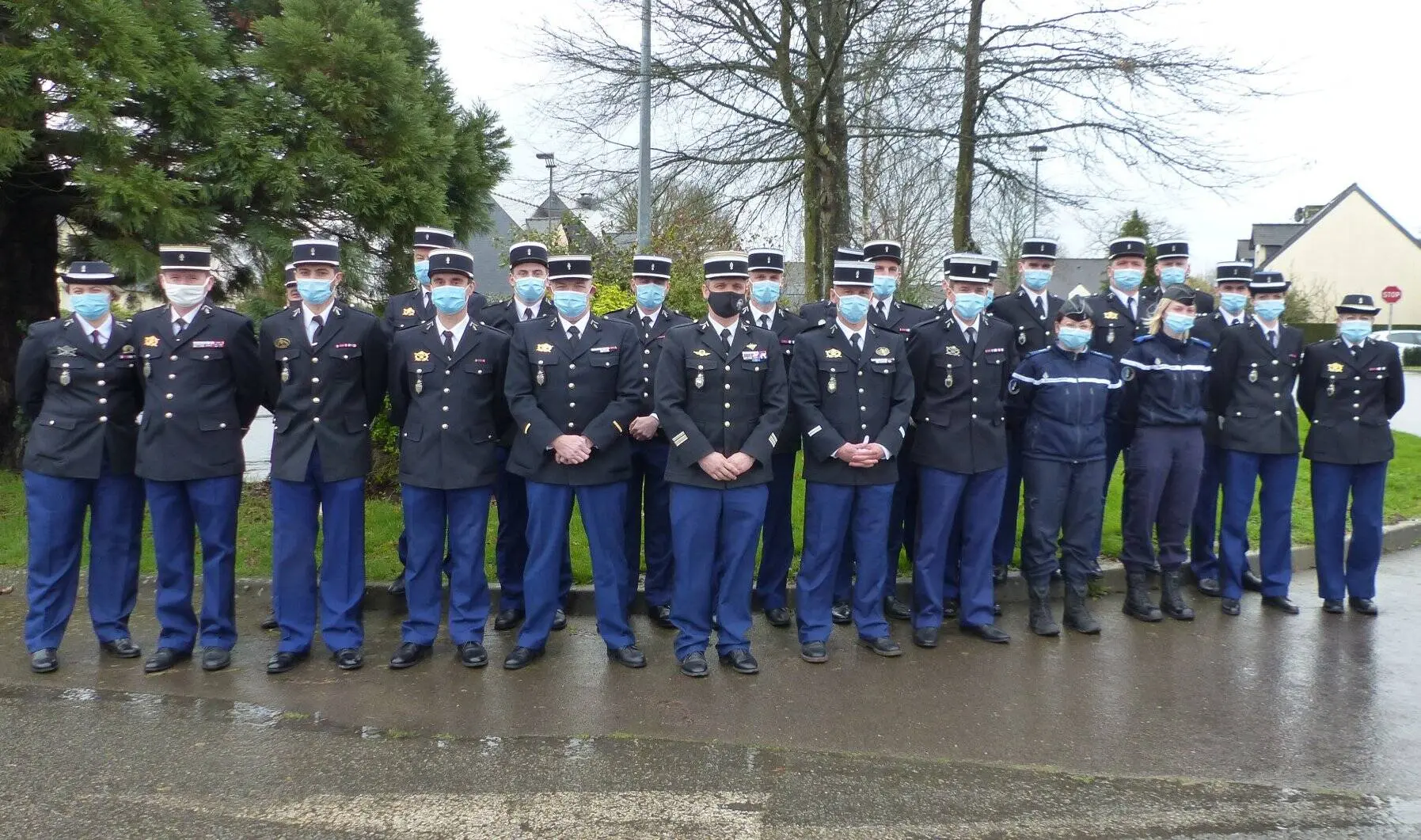
The gendarmerie is a unique branch of military and police forces that operates under integrated law enforcement systems in several countries. It plays a crucial role in maintaining public order, ensuring national safety, and executing various policing functions. Given the complexities of modern security challenges, understanding the structure and function of the gendarmerie is increasingly relevant.
Core Functions of the Gendarmerie
Historically, gendarmeries have been known for their police functions in both urban and rural settings, effectively bridging military and civil law enforcement. Various nations utilize gendarmerie forces differently; for instance, the French Gendarmerie Nationale is responsible for policing rural areas and small towns, while also taking charge during national emergencies or disasters. They are equipped to handle situations that require military-level logistics and tactics, making them indispensable during events like the 2024 Paris Olympics, where heightened security is anticipated.
Recent Developments
With the escalation of global security threats, many gendarmerie forces are adapting their strategies. In countries such as Brazil, the Gendarmerie is collaborating with local law enforcement to address urban violence and drug trafficking. In Europe, their role in counter-terrorism has grown, particularly after incidents such as the 2015 Paris attacks. Training programs have been introduced to enhance the capabilities of gendarmeries in intelligence-sharing, cybercrime response, and public safety enhancement. Furthermore, gendarmeries are increasingly leveraging technology, employing drones and surveillance systems to monitor and prevent crime.
The Future of Gendarmerie
As urbanisation progresses and new challenges emerge, the significance of gendarmeries will continue to evolve. The integration of community policing strategies alongside traditional enforcement methods could lead to more effective crime prevention. Additionally, increased collaboration among international gendarmerie forces may foster a more coordinated response to transnational crime and terrorism. Public perception and adaptation to modern policing trends will also play a critical role in determining the future efficacy of gendarmeries.
Conclusion
The gendarmerie’s dual function as both a military and a civil law enforcement body exemplifies a need for versatility in modern policing. As countries face an intertwined web of local and global threats, understanding the gendarmerie’s roles and responsibilities becomes essential. Following recent adaptations and ongoing training developments, gendarmeries are positioning themselves as crucial players in the broader security landscape, promising a robust response to future challenges.