Introduction
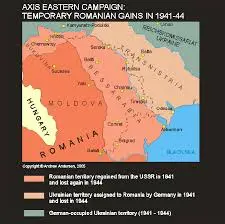
Moldova, a small Eastern European country bordered by Romania and Ukraine, has been in the spotlight recently due to its evolving political landscape. As the nation navigates its post-Soviet identity, the consequences of regional instability and its aspirations for European integration sit at the forefront of public and government discourse. Understanding Moldova’s current situation is vital for grasping its role in broader regional dynamics, especially in the context of its relationships with both the European Union and Russia.
Current Political Climate
In 2023, Moldova continues to face significant challenges rooted in political instability and corruption. The pro-European government led by President Maia Sandu is making strides toward reform and integration with the European Union. Following her election in 2020, Sandu has pursued anti-corruption measures and economic reforms, which received considerable support from the EU, including financial aid and technical support to strengthen its governance. Despite these efforts, Moldova’s political scene remains fraught with turbulence.
In the wake of Russia’s invasion of Ukraine, Moldova has felt the pressure of security concerns, particularly with Transnistria, a breakaway region supported by Moscow. The situation has spurred the government to strengthen its military ties with NATO and enhance its domestic security apparatus. Furthermore, rising energy prices and inflation have added to the country’s economic burdens amidst ongoing negotiations for gas supply security.
Public Sentiment and Regional Relations
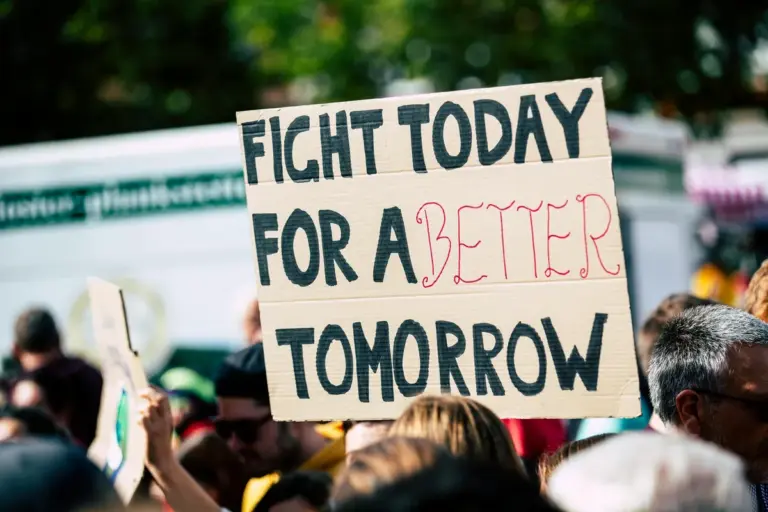
Moldovan citizens, facing economic hardship, are increasingly concerned about the pace of reforms and the government’s ability to deliver on its promises. Recent public protests have highlighted frustrations over living standards, and the government must carefully navigate these sentiments while adhering to its reform agenda.
Moreover, the geopolitical landscape has encouraged Moldova to seek closer ties with the European Union, as evidenced by its candidate status for EU membership awarded in June 2022. This move has received mixed reactions from various political factions within the country. While many citizens support deeper integration with Europe, some factions remain loyal to pro-Russian sentiments, underlining the divided nature of Moldova’s political landscape.
Conclusion
The situation in Moldova is both critical and transformative. The significant steps toward EU integration highlight the country’s ambitions for development and stability, but the challenges remain daunting. As Moldova continues to balance internal divisions with external pressures, its future trajectory will greatly depend on the government’s ability to effectively implement reforms, manage public sentiment, and navigate the complex interplay of regional security concerns. Observers and citizens alike will be keenly watching how these dynamics unfold in the coming months, as Moldova seeks its place in an increasingly volatile region.