Introduction
As the world becomes increasingly interconnected, air travel plays a crucial role in bridging distances and cultures. With the recent disruptions caused by the COVID-19 pandemic, the aviation industry has had to adapt rapidly, embracing new technologies and safety measures. Planes are not only the backbone of global transport but also represent the forefront of innovation in engineering and sustainability.
Recent Developments in Aviation Technology
In 2023, significant advancements in plane technology have been witnessed, with manufacturers focusing on enhancing fuel efficiency and reducing emissions. One of the front-runners in this initiative is the Boeing 787 Dreamliner, which employs advanced materials and aerodynamics to significantly cut fuel consumption compared to earlier models.
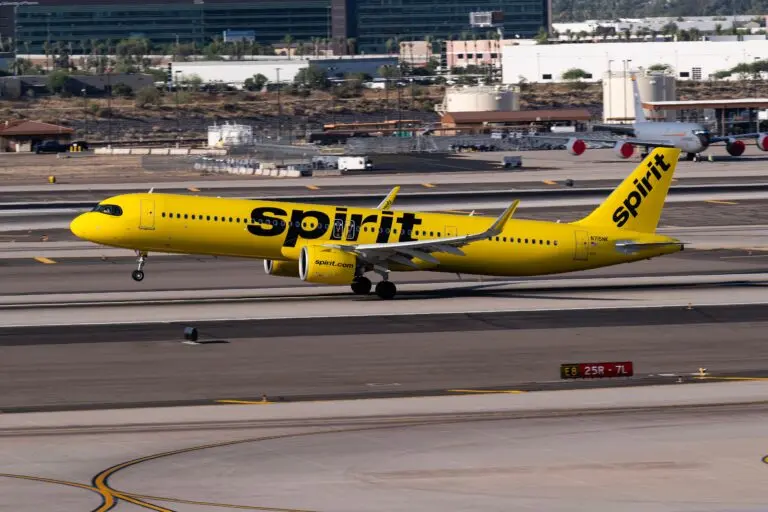
Additionally, Airbus is making waves with its A320neo family, which integrates the latest Pratt & Whitney and CFM International engines designed for lower fuel burns and reduced noise. This has led to a surge in order numbers, with airlines eager to upgrade their fleets to more environmentally friendly aircraft.
Trends Towards Sustainability
Furthermore, the aviation industry is increasingly committing to sustainability. A prominent example is the development of electric planes; concepts such as the Eviation Alice are being explored, showing promise for regional travel. These aircraft aim to substantially reduce carbon footprints and operating costs, paving the way for a cleaner future.
Some airlines are also experimenting with sustainable aviation fuels (SAFs). Reports suggest that these biofuels could cut greenhouse gas emissions by up to 80% over their lifecycle. Major carriers including British Airways and KLM are investing heavily in these initiatives, reaffirming their commitment to combating climate change.
The Role of Technology in Passenger Experience
On the passenger front, technology is enhancing the in-flight experience. Innovations such as in-flight Wi-Fi, improved entertainment systems, and more ergonomic seating are becoming standard expectations. Airlines are also leveraging data analytics to tailor services and optimise operations, providing a more personalised travel experience.
Conclusion
The future of planes and air travel is undeniably exciting, marked by technological advancements and a strong shift towards sustainability. As we move forward, it will be crucial for the aviation industry to balance growth and environmental responsibility. With these innovations, future generations can anticipate a safer, more efficient, and greener air travel experience. For travellers, this not only enhances convenience but also aligns with a growing movement towards ecological consciousness in global practices.