Introduction
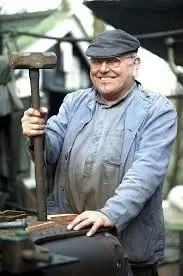
Fred Dibnah, the iconic steeplejack and engineer, is remembered not only for his incredible skills and craftsmanship but also for the captivating way he shared his passion for Britain’s industrial heritage. His work and enthusiasm shed light on a bygone era of engineering, making his legacy particularly relevant in today’s discussions about preserving history and the importance of skilled trades.
Life and Career
Born on April 28, 1938, in Bolton, Lancashire, Fred Dibnah’s journey began as an apprentice at a local engineering company. His fascination with steam engines manifested early on; he would often spend his weekends working on steam-powered machinery and exploring the industrial sites of his hometown. In the 1970s, he became a steeplejack, a profession where he was known for working at great heights, restoring and repairing the steeples of churches and other tall structures.
Dibnah’s passion for engineering and restoration of industrial heritage became widely known after he appeared in the 1976 documentary “Fred Dibnah’s Building of Britain,” which showcased his work and brought his charismatic personality into the limelight. His subsequent TV series, including “Fred Dibnah’s Magnificent Monuments,” solidified him as a household name. Through these shows, he not only entertained audiences but also educated them about the importance of preserving historical buildings and machinery.
Impact and Legacy
Fred Dibnah’s influence extends beyond his entertaining television presence. His commitment to engineering and restoration inspired a generation to appreciate the craftsmanship behind historically significant buildings and machinery. Dibnah also advocated for the retention of traditional skills in an era dominated by modern technology. In 2004, he received the MBE (Member of the Order of the British Empire) for his services to the industry, further highlighting his contributions.
Even after his passing in 2004, Dibnah’s legacy lives on. His documentaries continue to be watched and celebrated, and his approach continues to inspire craftsmen and enthusiasts in the field of restoration. Social media and online forums filled with discussions about his work indicate that his impact on popular culture and engineering will not be forgotten anytime soon.
Conclusion
Fred Dibnah was more than a steeplejack; he was a passionate educator and advocate for engineering history. His ability to connect with people through his work has left a lasting impression on both the public and future generations. As discussions around the preservation of historical sites and the importance of skilled trades continue in today’s world, Dibnah’s legacy serves as a crucial reminder of the value of engineering craftsmanship and historical appreciation. As we look to the future, it is essential to remember figures like Fred Dibnah, who have contributed so much to our understanding of the industrial heritage.