Introduction
Frankfurt, Germany, often recognised as the finance capital of Europe, is a city of exceptional significance both economically and culturally. Home to the European Central Bank and a multitude of major banking institutions, Frankfurt plays a pivotal role in global finance. The importance of this metropolis extends beyond its skyscrapers and economic activities; it also acts as a cultural hub with historical sites, diverse art scenes, and vibrant neighbourhoods.
Economic Powerhouse
As of recent reports, Frankfurt has been attracting businesses seeking to establish their presence within the EU market. The city’s financial sector flourishes, contributing significantly to its economic stability. The Frankfurt Stock Exchange is one of the largest in the world, and this city accommodates numerous national and international corporations. In response to Brexit, Frankfurt has seen an influx of firms relocating from London, seeking an alternative European base.
Cultural Significance
In addition to its economic influence, Frankfurt boasts a rich cultural tapestry. The city’s historical museums, including the Städel Museum and the Museum of Modern Art, showcase an array of artwork spanning centuries. The annual Frankfurt Book Fair, one of the largest literary events globally, highlights the city’s literary significance while drawing global audiences each October.
The Skyline and Architecture
Frankfurt’s skyline, with its modern high-rises combined with historical buildings, is a snapshot of its character. The distinctive silhouette, dominated by the Main Tower and the Deutsche Bank Twin Towers, represents innovation. However, the city also preserves historical structures, such as the Römer, the city hall dating back to the 15th century, reflecting its deep-rooted history and architectural diversity.
Transportation and Connectivity
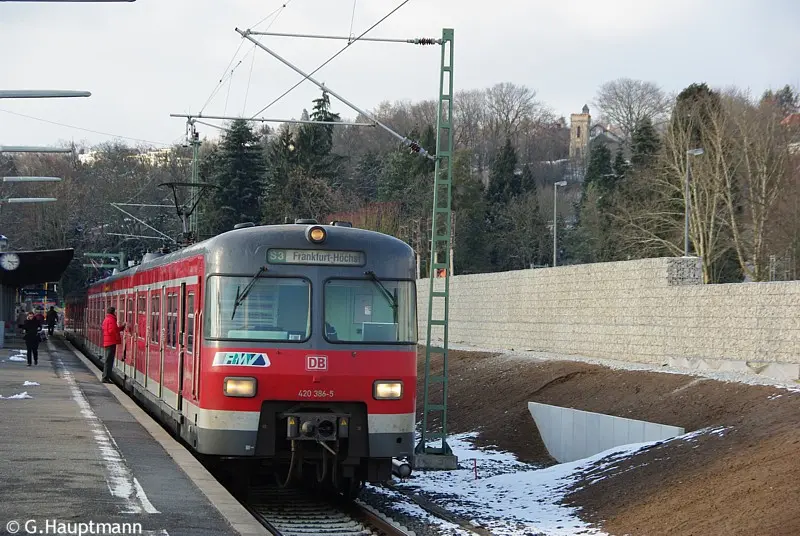
Frankfurt is well-connected, making it accessible to both locals and tourists. Frankfurt Airport serves as one of the busiest international airports in Europe, with over 300 destinations served. The city’s robust public transportation system, including buses, trams, and trains, facilitates easy commuting within the metropolitan area.
Conclusion
As cities continue to evolve in the face of globalisation and economic change, Frankfurt stands out for its unique blend of financial prowess and cultural depth. As it continues to attract international investment and talent, Frankfurt’s evolution presents opportunities and challenges not only for its residents but also for businesses seeking a foothold in Europe. Its resilience in maintaining its cultural heritage while embracing modernity makes it an interesting case study for urban development and financial growth.