Introduction
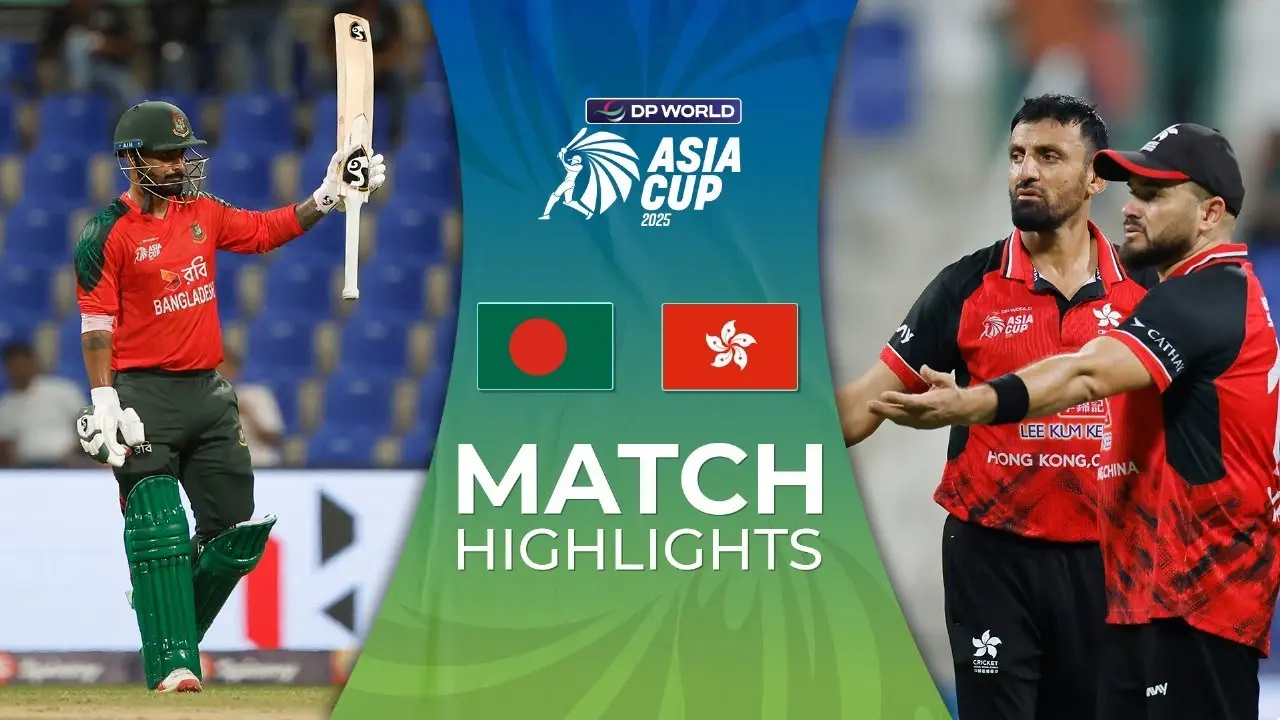
The comparison between Hong Kong and Bangladesh has gained significant attention due to the contrasting economic and cultural landscapes in these regions. Hong Kong, a global financial hub, and Bangladesh, a rapidly developing country, present intriguing contrasts in governance, economy, and lifestyle. Understanding these differences is essential not only for academic purposes but also for businesses and individuals looking to navigate opportunities in both regions.
Economic Landscape
Hong Kong is renowned for its robust economy, characterised by low taxes, a laissez-faire market, and significant international trade. According to the World Bank, Hong Kong’s GDP per capita stands at approximately $49,000, making it one of the wealthiest places globally. As a Special Administrative Region of China, Hong Kong continues to attract foreign investments and support innovation.
Conversely, Bangladesh, with a GDP per capita around $2,500, has shown resilience and growth in recent years, primarily driven by its garment industry, remittances, and agriculture. The Asian Development Bank reported that Bangladesh is projected to grow at an impressive rate of around 6% in the coming years, highlighting its potential as a market for foreign investors.
Cultural Differences
Culturally, Hong Kong is a melting pot where East meets West. English and Cantonese are the official languages, and it’s common to find a blend of traditional Chinese customs alongside Western influences. This cosmopolitan atmosphere appeals to tourists and expatriates alike.
In contrast, Bangladesh is rich in its diverse cultural heritage, steeped in history and tradition. Bengali is the national language, and the culture is heavily influenced by its Islamic heritage and historical roots. Festivals, music, and literature play an integral role in the daily lives of Bangladeshis.
Political Structure
Politically, Hong Kong operates under the “One Country, Two Systems” principle, allowing it certain degrees of autonomy from Mainland China. This unique governance allows for distinct legal and economic systems, although recent political unrest has raised concerns over civil liberties. In contrast, Bangladesh operates as a parliamentary democracy, though political instability and governance challenges have been prevalent, affecting economic development.
Conclusion
The comparison of Hong Kong and Bangladesh highlights the dynamic aspects of global relations. While Hong Kong stands out as a global financial leader with a highly developed economy, Bangladesh is forging its own path in the global market through innovative growth and industry expansion. For investors and observers, understanding the nuances of each region can lead to informed decisions and strategies for success. As both regions continue to evolve, their interaction on the global stage will only grow in significance, making this comparison relevant for years to come.