Introduction
Shabana Mahmood, the UK Minister for Immigration, has emerged as a pivotal figure in the ongoing debate surrounding immigration reforms in the United Kingdom. As immigration remains a contested topic, especially in the wake of recent global crises and changes in policy, Mahmood’s proposals hold significant relevance for a diverse range of stakeholders.
The Current Landscape
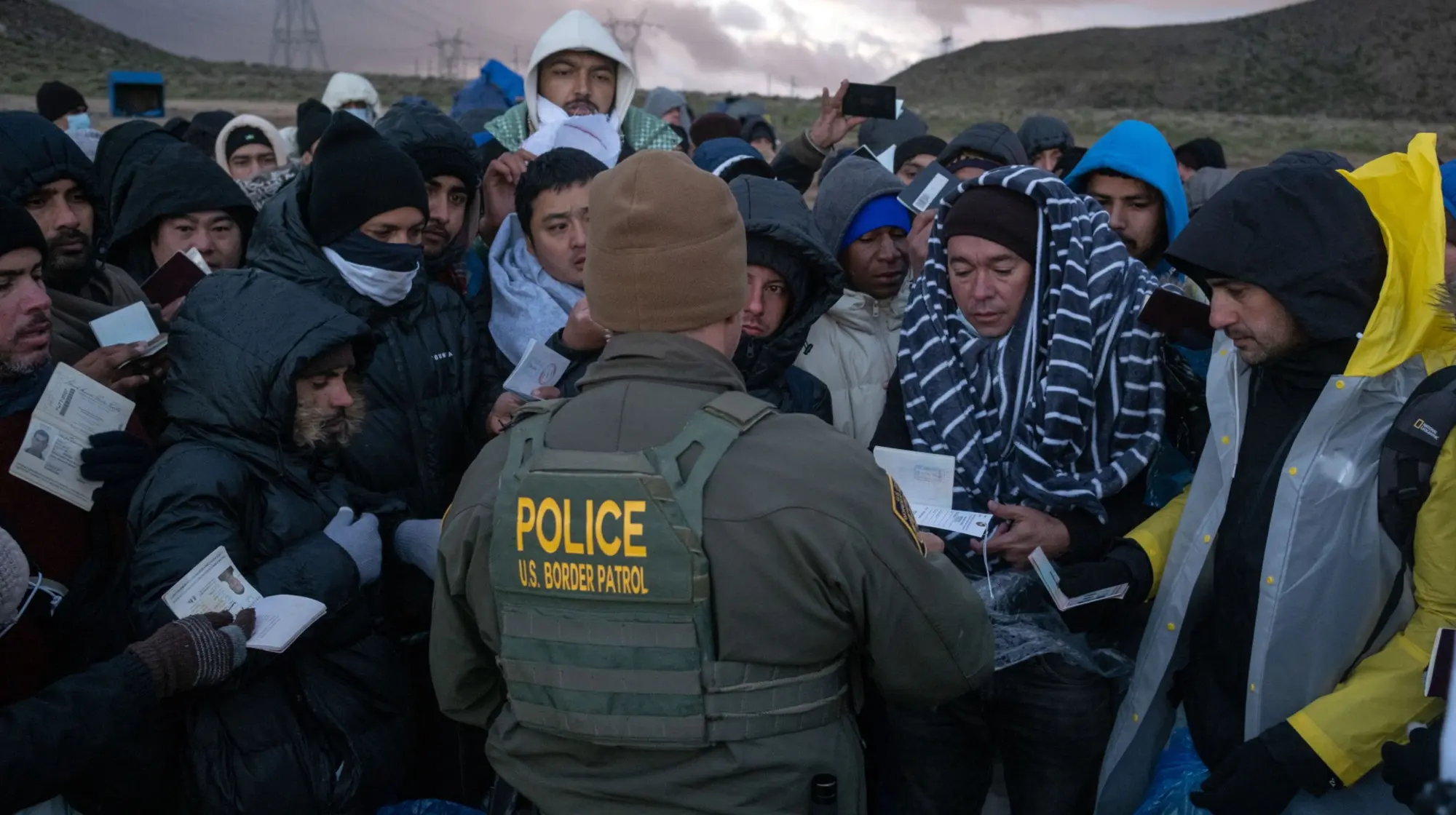
The UK has seen drastic shifts in immigration policy, accelerated by Brexit and the global pandemic. The system has been under increasing scrutiny for its efficacy in addressing the needs of refugees, skilled workers, and family reunifications. Recent statistics reveal a growing backlog in asylum applications, with over 100,000 cases pending resolution. Mahmood’s reforms are aimed at streamlining this process while also ensuring that humanitarian obligations are fulfilled.
Key Reform Proposals
In recent statements, Mahmood has outlined several key areas for reform. One of her primary goals is to enhance pathways for skilled workers, particularly in sectors facing labor shortages, such as healthcare and technology. Additionally, she is advocating for a more humane approach to asylum seekers, stressing the importance of providing adequate support services and faster processing times.
Furthermore, Mahmood emphasizes the need to address discrimination and bias within the immigration system. She has called for greater transparency and accountability, proposing measures to investigate complaints and improve the treatment of marginalized communities. Her commitment to inclusivity highlights the potential for a more equitable immigration framework.
Public Reactions and Stakeholder Support
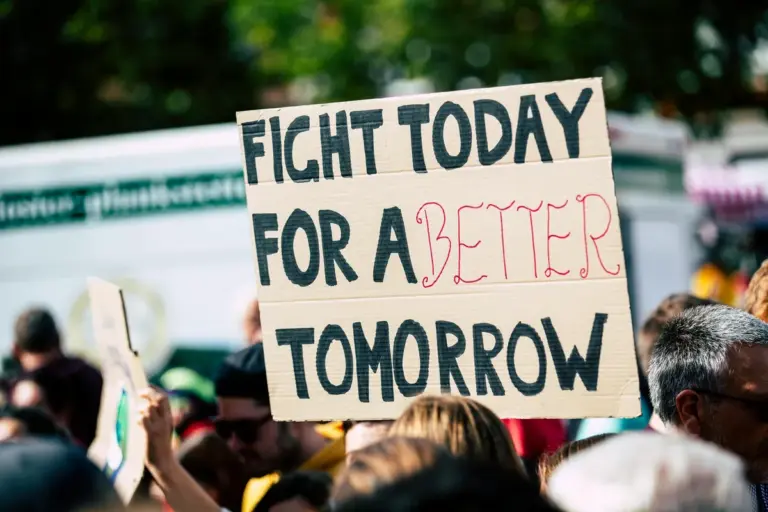
Mahmood’s proposals have garnered support from various organizations, including refugee advocacy groups and labor unions. These stakeholders argue that her reforms could not only improve the lives of immigrants but also stimulate economic growth by filling essential roles in the workforce.
However, her initiatives are not without opposition. Some critics argue that the government should prioritize border control and national security over humanitarian efforts. Mahmood’s challenge lies in balancing these differing viewpoints while moving forward with her vision for an inclusive immigration system.
Conclusion
As Shabana Mahmood’s immigration reforms take shape, they are set to significantly influence the UK’s immigration landscape. A commitment to streamline processes, prioritize humane treatment, and enhance inclusivity stands to reshape perceptions and realities regarding immigration. Moving forward, Mahmood’s leadership will be crucial in navigating the complexities of immigration policy, ensuring that it meets the diverse needs of the nation while adhering to its moral and legal obligations. The long-term effects of her proposals will certainly be closely watched by both supporters and opponents, marking a transformative period in UK immigration history.