Introduction
The September 11 attacks, commonly referred to as 9/11, marked a pivotal moment in history that fundamentally changed the global landscape. Occurring in 2001, the coordinated terrorist attacks by al-Qaeda resulted not only in the tragic loss of nearly 3,000 lives but also ushered in profound implications for international relations, national security policies, and societal dynamics. Understanding the relevance of 9/11 today reveals a complex tapestry of ongoing issues related to terrorism, civil liberties, and geopolitical tensions.
The Events of September 11, 2001
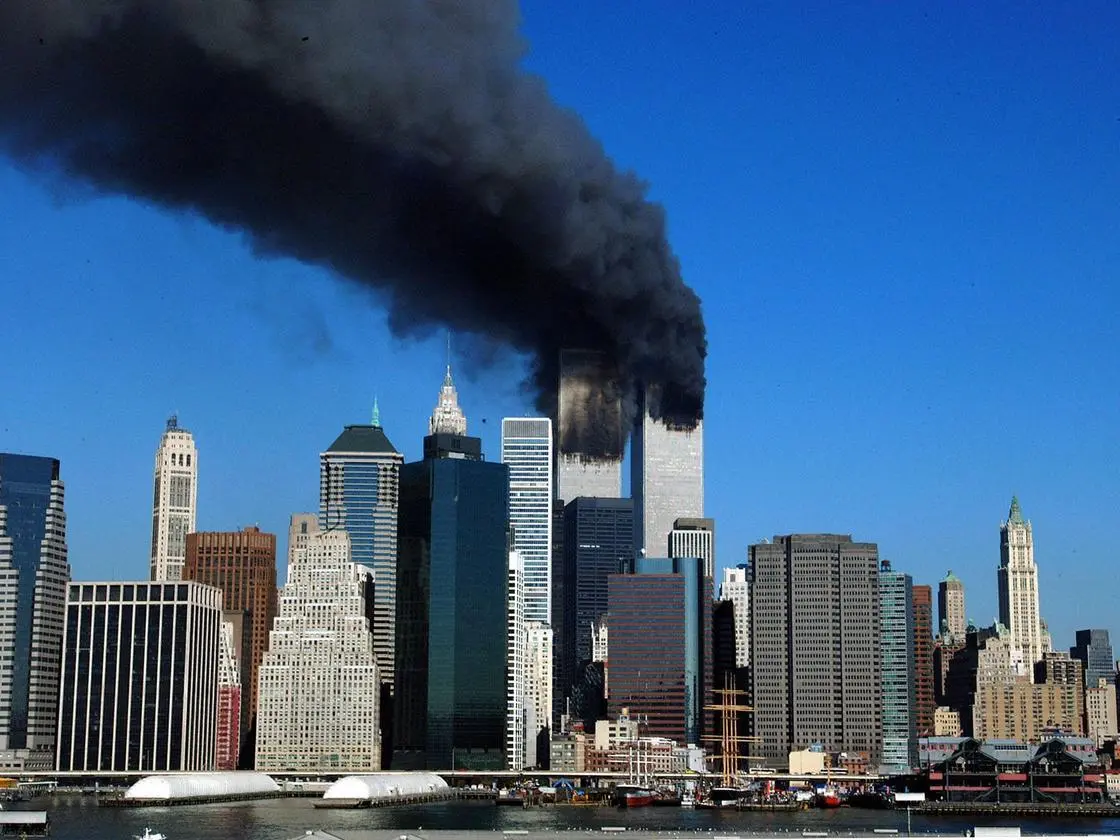
On the morning of September 11, 2001, 19 hijackers took control of four commercial airplanes. Two of these planes crashed into the Twin Towers of the World Trade Center in New York City, a third struck the Pentagon in Arlington, Virginia, and the fourth, United Flight 93, was commandeered to target a site in Washington, D.C., but crashed in Pennsylvania after passengers attempted to overcome the hijackers. This unprecedented assault shocked the United States, leading to a series of immediate and far-reaching responses.
Political and Security Responses
In the aftermath of the attacks, the U.S. government initiated the War on Terror, which included military operations in Afghanistan aimed at dismantling al-Qaeda and removing the Taliban from power. The USA PATRIOT Act, passed in October 2001, significantly expanded law enforcement’s surveillance capabilities, sparking debates on civil liberties versus national security. These measures have raised ongoing concerns about privacy, governmental overreach, and the balance between safety and freedom.
Global Implications and Ongoing Legacy
Globally, 9/11 led to heightened anti-terrorism measures worldwide and transformed international relations, particularly between Western countries and the Muslim world. The subsequent invasions of Afghanistan and Iraq continued to ignite conflicts and foster extremism, creating long-term geopolitical instability. Furthermore, the spread of Islamophobia and xenophobia in various societies can be traced back to the sentiments ignited by the attacks.
Conclusion
As the world approaches the 22nd anniversary of the September 11 attacks, it is crucial to reflect on their enduring legacy. While strides have been made in counter-terrorism and national security, approximately two decades later, the underlying issues of extremism and international tensions persist. The memory of 9/11 continues to resonate, reminding us of the necessity for dialogue, understanding, and commitment to peace in an increasingly complex world. As we examine the past, we can better address the future implications of this historic event.