Introduction
The date September 11, 2001, commonly referred to as 9/11, marks one of the most significant and tragic events in modern history. The terrorist attacks on this date not only claimed nearly 3,000 lives but also reshaped global politics and public security measures. Understanding this pivotal event is crucial in recognising its ongoing impact on international relations, national security policies, and societal attitudes towards terrorism.
Details of the Attacks
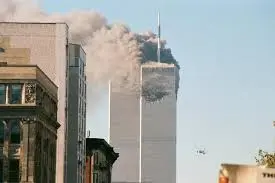
On the morning of September 11, 2001, 19 terrorists affiliated with the extremist group al-Qaeda hijacked four commercial airplanes. Two of the planes were flown into the iconic Twin Towers of the World Trade Center in New York City, causing both towers to collapse within hours. Meanwhile, a third plane hit the Pentagon, the U.S. Department of Defence’s headquarters in Arlington, Virginia. The fourth plane, United Airlines Flight 93, was headed towards a target in Washington, D.C., but crashed in Pennsylvania after passengers attempted to regain control from the hijackers. In total, the attacks resulted in the deaths of 2,977 victims and numerous injuries.
Immediate Aftermath and Global Response
In the immediate aftermath of the attacks, the United States declared a ‘War on Terror,’ leading to military interventions in Afghanistan. The U.S. government, along with allies, aimed to dismantle al-Qaeda and remove the Taliban regime, which had provided safe haven for terrorists. Furthermore, 9/11 prompted a series of significant changes in security protocols, including the establishment of the Department of Homeland Security and the implementation of the USA PATRIOT Act, which expanded the government’s surveillance capabilities in the name of national security.
The Lasting Impact of 9/11
The repercussions of 9/11 are still felt today, influencing everything from domestic policies to international relations. It heightened awareness and vigilance towards terrorism and enhanced security measures at airports and public spaces globally. Additionally, the event triggered widespread conversations about civil liberties, human rights, and ethics in national security. Hate crimes against Muslims and Muslim communities also saw an alarming increase in the years following the attacks.
Conclusion
Twenty-two years after the tragic events of September 11, 2001, the world continues to grapple with the legacy of 9/11. As we remember the lives lost and the bravery displayed, it is also essential to reflect on the lessons learned. In a world still facing threats of terrorism, 9/11 serves as a reminder of the need for vigilance, understanding, and unity in overcoming division and fostering a safer future.