Introduction
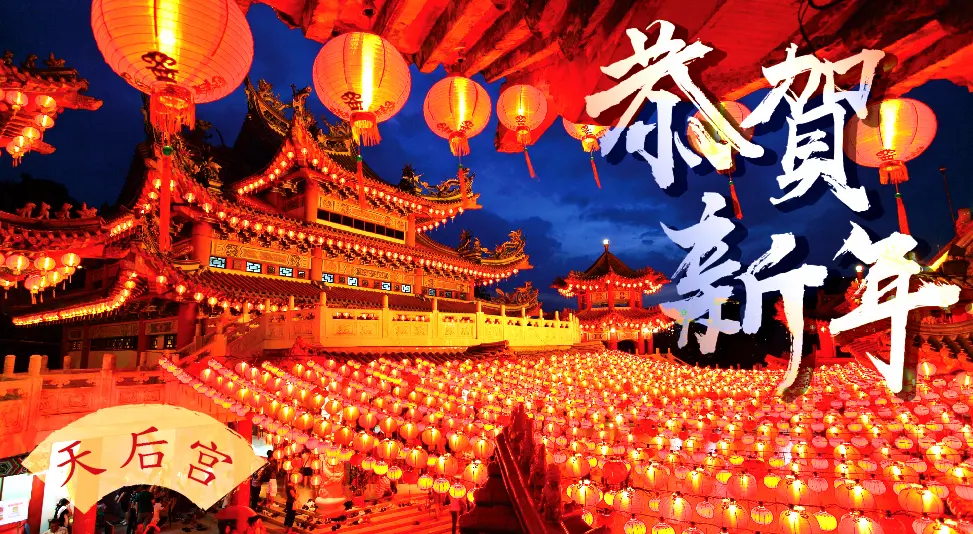
Lunar New Year, also known as Chinese New Year or Spring Festival, is one of the most important holidays celebrated by millions of people worldwide. This festival marks the beginning of the lunar calendar and typically falls between January 21 and February 20. As families gather to honor traditions, exchange good wishes, and enjoy delicious feasts, the importance of this holiday is deeply rooted in cultural and historical significance.
Celebrations Around the World
The Lunar New Year is celebrated in numerous countries, including China, Vietnam, South Korea, and Singapore, each with its unique customs. In China, the festivities last up to 15 days, culminating in the Lantern Festival. Traditional activities include lion dances, fireworks, and the renowned family reunion dinner. Likewise, Vietnamese people celebrate ‘Tet,’ where they pay homage to ancestors and prepare special dishes like ‘Banh Chung’ and ‘Gio Lua.’
In the United States, cities with significant Asian populations, such as San Francisco and New York, host large parades and cultural events to commemorate the Lunar New Year. From colorful dragon dances to food fairs showcasing authentic cuisine, the celebrations spread awareness and appreciation for Asian cultures among diverse audiences.
Impact of the Pandemic
The COVID-19 pandemic has altered how many people celebrate the Lunar New Year. In 2022 and 2023, many public festivities were modified or canceled to adhere to health guidelines. However, communities adapted by embracing virtual celebrations, allowing families to connect despite physical distances. This shift has highlighted the importance of digital communication in maintaining traditions throughout challenging times.
Conclusion
The Lunar New Year holds immense cultural significance that transcends borders, providing an opportunity for reflection, renewal, and familial bonds. As we approach the Lunar New Year in 2024, the enthusiasm for celebrating tradition remains strong. The ongoing adaptation in celebrations due to unforeseen circumstances has demonstrated resilience in cultural practices, ensuring that the spirit of the Lunar New Year will live on for generations to come.