Introduction
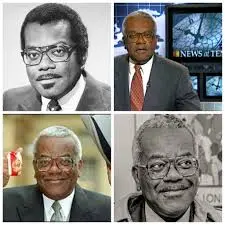
Trevor McDonald is a name synonymous with British journalism and television broadcasting. As the face of ITV News for over two decades, McDonald has left an indelible mark on the media landscape. In an era where news is consumed predominantly via digital platforms, understanding the significance of seasoned journalists like McDonald is crucial as they exemplify a commitment to integrity and public service in journalism.
Career Highlights
Born on 16th August 1939 in Trinidad, Trevor McDonald began his career in journalism in 1958. After completing his education and honing his skills in Trinidad, he moved to the UK where he worked for several newspapers, eventually landing his role at ITN (Independent Television News). His breakthrough came in 1992 when he became the first black presenter of the ITV News at Ten. This milestone not only paved the way for diversity in broadcasting but also set a precedent in the industry.
Throughout his career, McDonald covered some of the most significant global events, from the Gulf War to the fall of apartheid in South Africa. His interviewing style and journalistic rigor earned him respect and accolades, including numerous BAFTAs, making him one of the most recognised journalists in Britain.
Impact on Broadcasting
McDonald’s influence extends beyond typical news reporting; he has hosted a variety of documentaries, often focusing on social issues and human interest stories. Shows like “Tonight with Trevor McDonald” showcased his versatility and deepened his connection with audiences, allowing him to explore topics close to the public’s heart. His approach to journalism, characterised by reassurance and depth, changed how news was presented in the UK and beyond.
Conclusion
In reflecting on Trevor McDonald’s extensive career, it is apparent that he has not only entertained but also informed audiences, raising awareness of critical issues. As journalism continues to evolve, the importance of figures like McDonald cannot be overstated; they remind us of the value of truthful, balanced, and empathetic reporting. Looking to the future, young journalists would do well to follow McDonald’s example, combining integrity with innovation in a rapidly changing media landscape. As he approaches his ninth decade, McDonald remains a vital voice in discussions about the art and ethics of journalism, embodying the essence of what it means to be a responsible journalist today.