Introduction
The IRS tax refund is a critical aspect of the American tax season, providing millions of taxpayers with financial relief after filing their annual returns. As the 2023 tax season approaches, understanding the processes and expectations surrounding tax refunds is essential for both individuals and families. Not only do tax refunds represent a return of excess taxes paid, but they also serve as a major source of cash flow for many households.
Current Updates on Tax Refunds
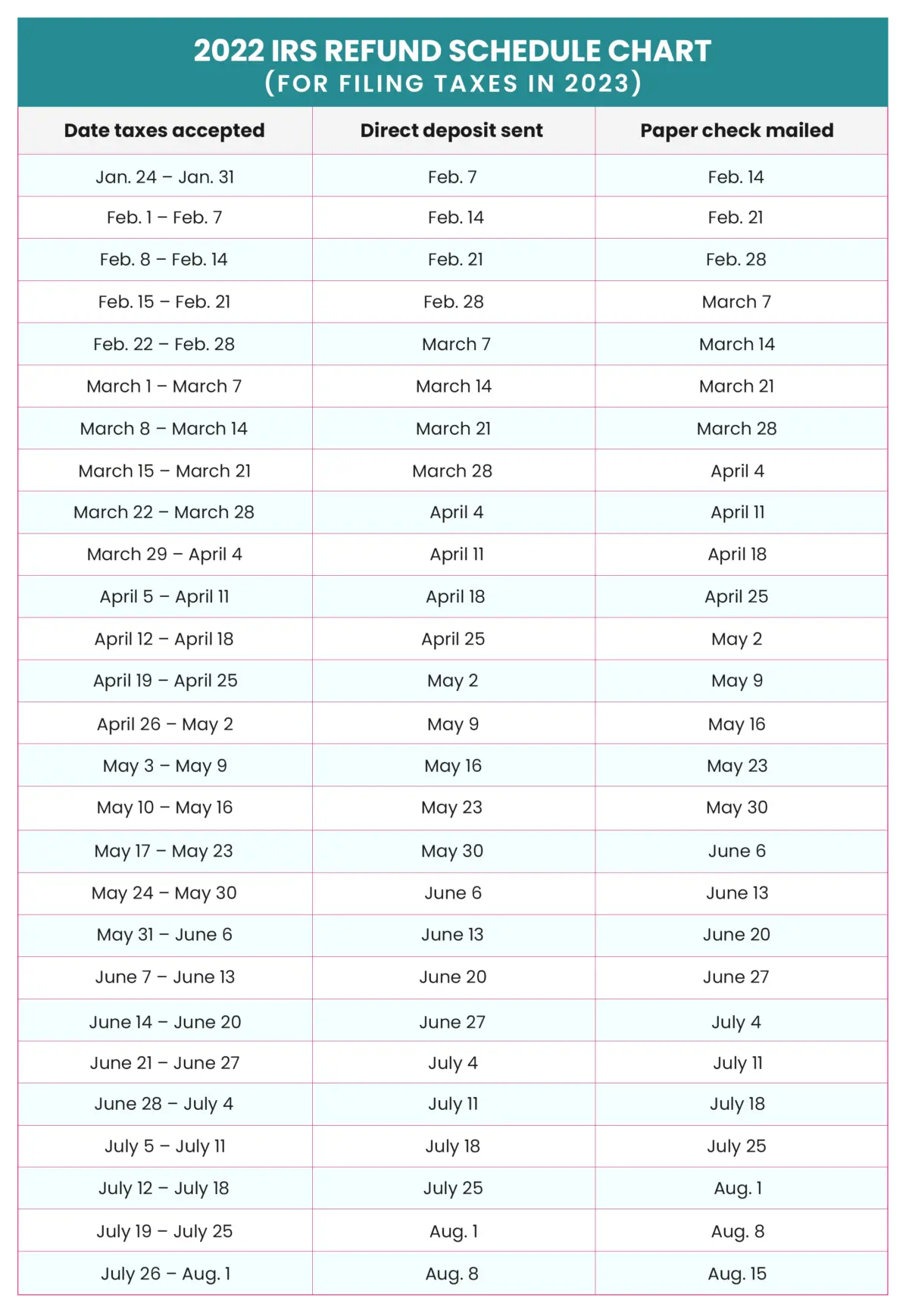
For the 2023 tax season, the IRS has announced several important updates that could affect tax refund amounts and processing times. Firstly, the IRS will continue to process tax returns for eligible taxpayers who file electronically. Refunds for e-filed returns are generally issued within 21 days, provided there are no issues with the report.
As of October 2023, the IRS has experienced a backlog in processing some returns from previous years due to staffing shortages and disruptions caused by the COVID-19 pandemic. However, the IRS assures taxpayers that they are working diligently to resolve these backlogs and streamline the refund process for the current year.
Factors Influencing Your Tax Refund
Several factors will influence the size and timing of your IRS tax refund in 2023. Taxpayers who received advance Child Tax Credit payments last year must reconcile these amounts on their 2023 tax return, which could affect their refund. Additionally, changes to tax laws, including variations in standard deductions and updates to tax credits, can also impact refund amounts.
Moreover, those who claim deductions for education expenses or tax credits for clean energy investments may see different results in their refunds this year, especially with the introduction of new credits aimed at promoting sustainability.
Conclusion
In conclusion, staying informed about the IRS tax refund processes is essential as taxpayers prepare for the 2023 tax season. Understanding potential delays, updating tax laws, and keeping track of changes to eligible credits can significantly impact the overall tax refund experience. Taxpayers are encouraged to file early and accurately to ensure they receive their expected refunds promptly. By doing so, individuals may enhance their financial well-being and make the most of their tax returns this year.