The Evolution of the Classroom
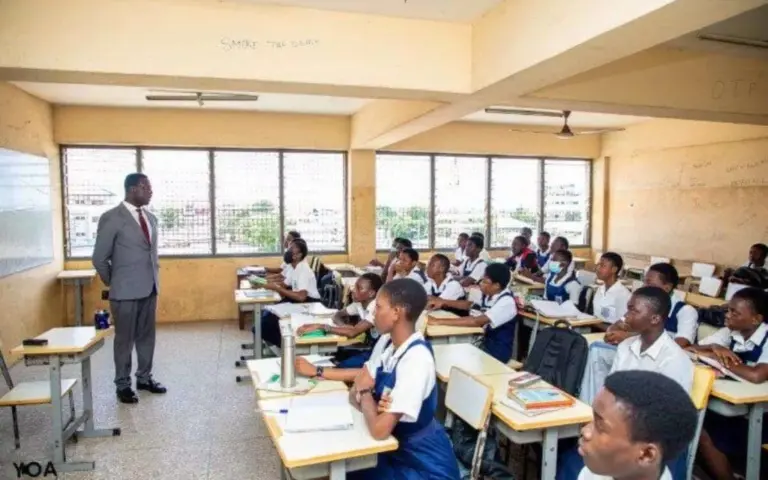
In recent years, the concept of a classroom has evolved significantly, driven by advancements in technology and changes in educational philosophy. Classrooms today are no longer merely physical spaces; they are dynamic environments tailored to foster student engagement and success. This evolution is particularly relevant in the context of the ongoing global shifts in education influenced by the COVID-19 pandemic, which accelerated the integration of digital tools into traditional settings.
Technological Advancements
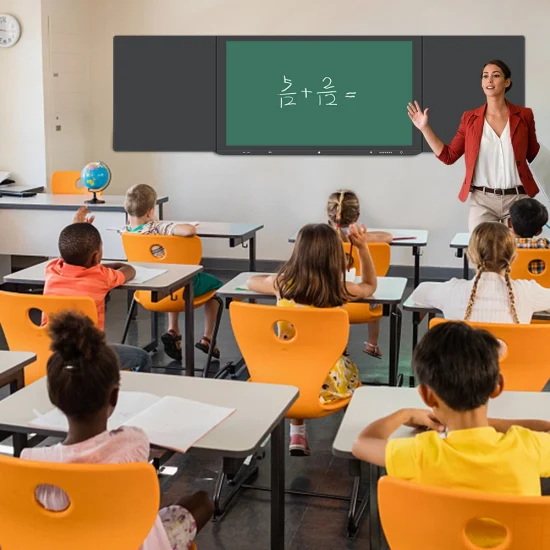
Modern classrooms are increasingly equipped with technology that supports interactive learning. Tools such as smartboards, tablets, and laptops have become commonplace, enabling students to access resources from anywhere. Educators are utilising applications that promote collaborative work, such as Google Workspace and Microsoft Teams, allowing students to work together on projects irrespective of their physical location. According to a recent report from the Department for Education, over 80% of schools in the UK have incorporated this technology into their classrooms.
Flexible Learning Environments
Another salient feature of the modern classroom is its flexible design, which promotes different types of learning experiences. Educators are finding that rearranging furniture to create various learning zones—for group activities, quiet study, or hands-on projects—can enhance student engagement. The trend towards open-plan classrooms is gaining traction, with research suggesting that such environments improve collaboration and creativity among students. A study published by the Journal of Learning Spaces indicated that students in flexible learning environments scored higher on assessments.
Social and Emotional Learning
Alongside technological innovations, there is a growing emphasis on social and emotional learning (SEL) within classrooms. Teachers are being trained to recognise the emotional needs of students and implement practices that foster mental well-being. Schools are adopting programs that incorporate mindfulness, resilience training, and peer support, recognising the critical link between emotional health and academic performance. A report by the World Health Organization highlighted that SEL programs can lead to improved academic success and behaviour, significantly impacting overall student development.
Conclusion: The Future of Classrooms
The classroom of the future is poised to be an inclusive, adaptive, and technology-rich environment, tailored to meet the diverse needs of students. As educational practices continue to evolve, the incorporation of technology and a focus on holistic student development will play an integral role in redefining learning experiences. It is essential for educators, parents, and policymakers to stay informed and adapt to these changes to ensure that classrooms not only impart knowledge but also cultivate well-rounded individuals capable of thriving in a complex world.