Introduction
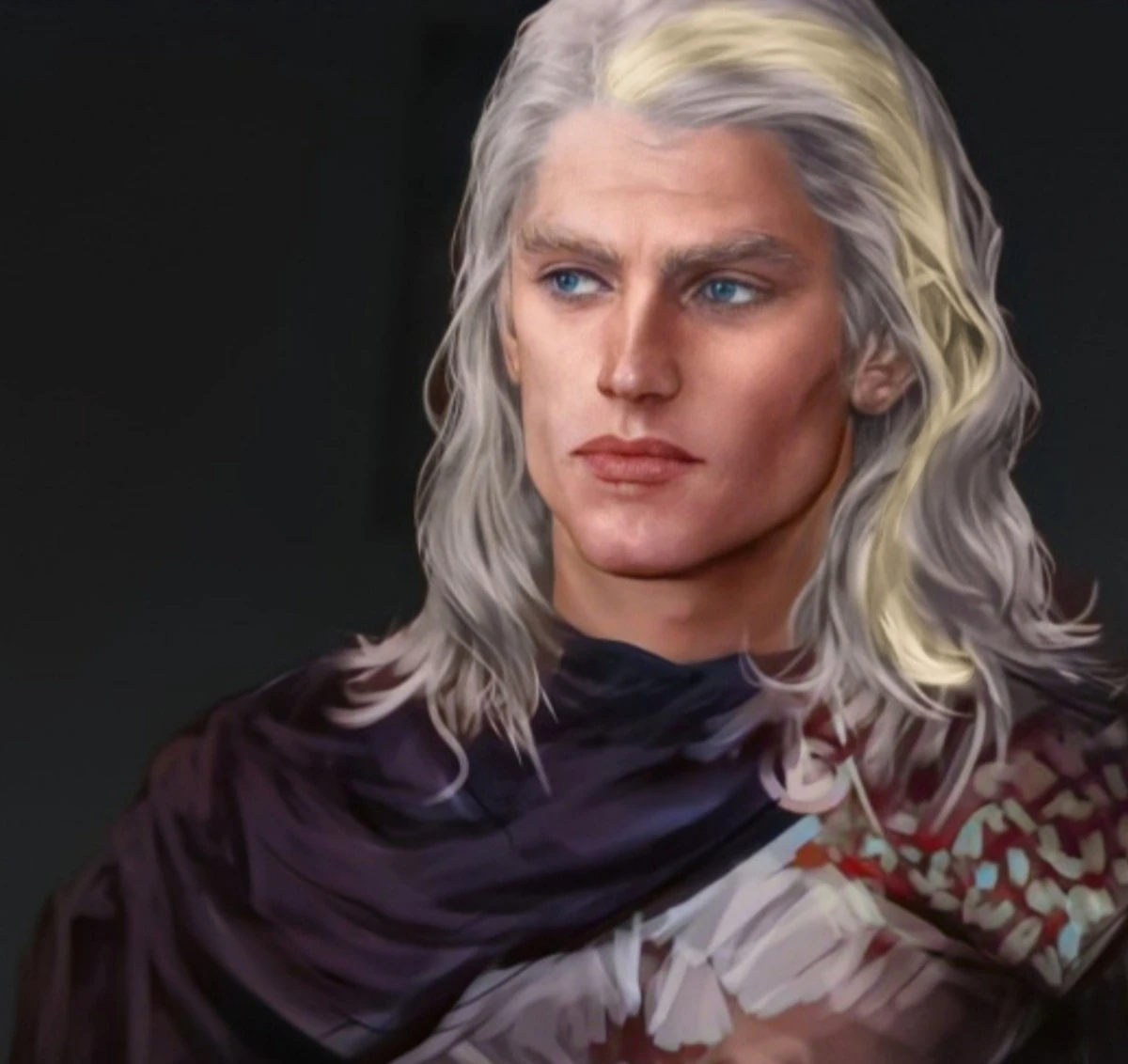
Baelor Targaryen, often referred to as Baelor the Blessed, is a pivotal figure in the lore of George R.R. Martin’s ‘A Song of Ice and Fire.’ His reign during the Targaryen dynasty is notable for its emphasis on peace, spirituality, and tragic consequences. Understanding Baelor’s life sheds light on the dynamics of Westerosi politics and the often tumultuous nature of leadership.
The Rise of Baelor Targaryen
Born in 129AC, Baelor was the son of King Aegon III and Queen Jaehaera. Obtaining the throne after a tumultuous period in Targaryen history marked by sibling rivalries and civil wars, Baelor ascended the Iron Throne in 161AC. His reign was characterized by a stark desire for peace after years of bloodshed stemming from the Targaryen civil war known as the Dance of the Dragons.
Policies and Governance
Baelor’s approach to governance was heavily influenced by his deep religious beliefs, stemming from his devout nature and the influence of the Faith of the Seven. He was known for his efforts to alleviate the struggles of the common people, conducting reforms aimed at reducing taxation and promoting public welfare. Historians often note that Baelor’s inclination toward pacifism and introspection set him apart from his ancestors who were more militarily inclined.
Challenges During His Reign
Despite his good intentions, Baelor faced significant challenges during his kingship. His policies were often met with resistance from the nobility, who were accustomed to power and wealth amassed through conquest and strife. Additionally, the presence of political adversaries, including those loyal to the more aggressive branches of the Targaryen family, created an environment of tension that often placed him at odds with the very system he sought to reform.
The Tragedy of Baelor Targaryen
Brennan foresaw the tragic nature of Baelor’s reign, exacerbated by a personal tragedy that left him deeply traumatized. The death of his mother and his penchant for isolation led to a fraught mental state which ultimately contributed to his passing in 171AC under questionable circumstances. His death marked the end of an era characterized by hopes of peace and stability, with subsequent rulers quickly abandoning his vision for governance.
Conclusion
Baelor Targaryen remains a fascinating study of a ruler caught between the ideals of peace and the harsh realities of political power. His legacy, while overshadowed by the tumultuous reigns that followed, serves as a reminder of the complexities of leadership in a world marked by violence and betrayal. As Westeros continues to be explored in popular culture, Baelor’s story directly reflects the broader themes of sacrifice, ideology, and the relentless struggle for peace amidst chaos.