Introduction
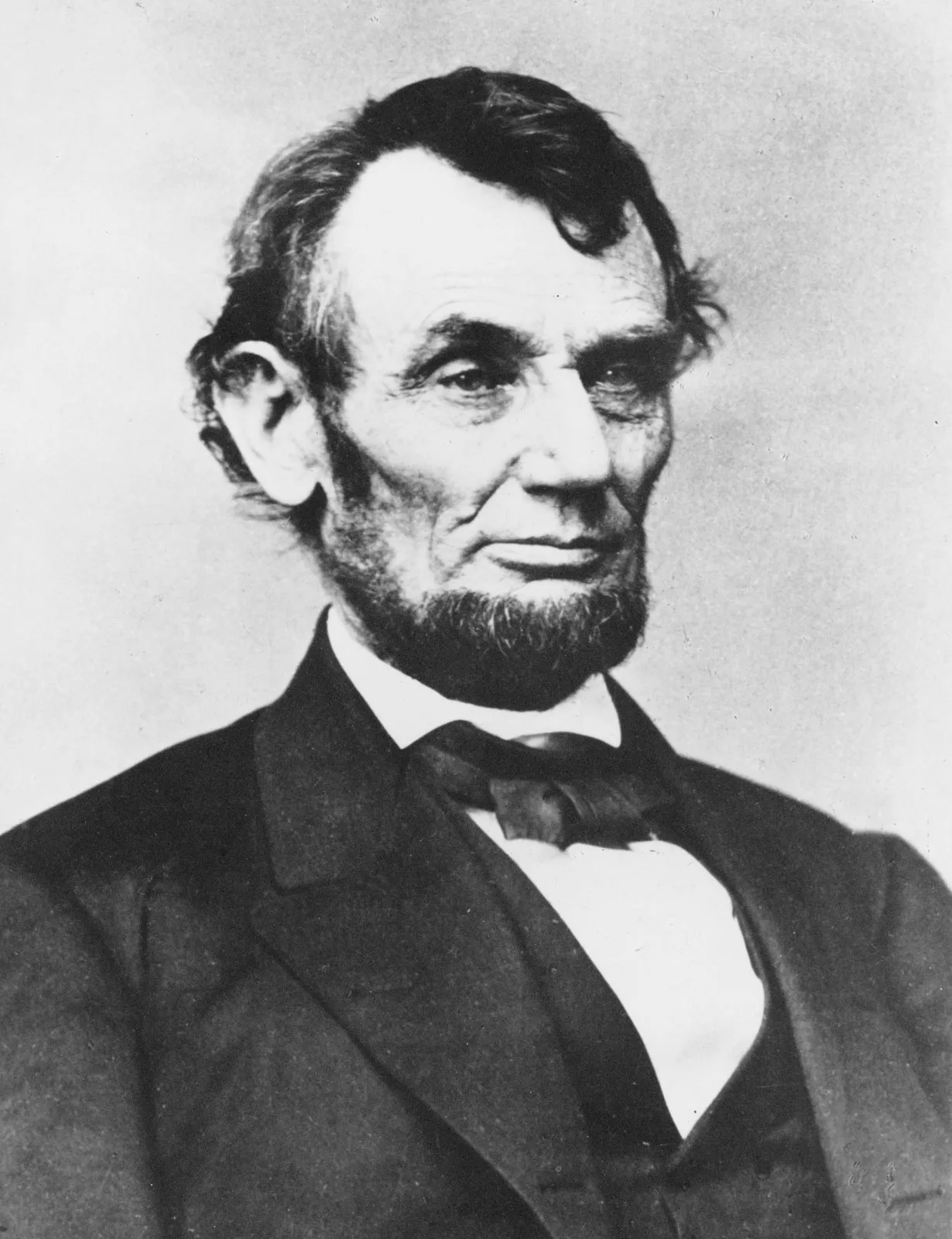
Abraham Lincoln, the 16th President of the United States, is one of the most significant figures in American history. His leadership during the Civil War and his contributions to abolishing slavery have had a lasting impact on the nation. Lincoln’s commitment to equality and justice continues to resonate in contemporary society, making a study of his life and legacy essential for understanding the evolution of American values.
Main Body
Early Life and Political Career
Born on February 12, 1809, in Hardin County, Kentucky, Lincoln rose from humble beginnings to become a self-taught lawyer. He entered politics in the 1830s, serving in the Illinois State Legislature and eventually the U.S. House of Representatives. His opposition to the expansion of slavery laid the groundwork for his successful presidential campaign in 1860 as a Republican.
The Civil War Era
Lincoln’s election triggered a crisis that led to the Civil War, as several Southern states seceded from the Union. Throughout the war, Lincoln demonstrated exceptional leadership, balancing military strategy with a vision for reunification. In 1863, he issued the Emancipation Proclamation, which declared the freedom of all enslaved people in Confederate-held territory, marking a critical turning point in both the war and the fight for civil rights.
Legacy and Historical Significance
Lincoln was assassinated on April 14, 1865, just days after the Confederacy’s surrender, and his death plunged the nation into mourning. His speeches, particularly the Gettysburg Address, are lauded for their profound expression of democratic ideals. Lincoln’s dedication to preserving the Union and his role in the abolition of slavery have made him a symbol of freedom and equality, inspiring future generations to continue the struggle for civil rights.
Conclusion
Abraham Lincoln’s influence on American society remains relevant today, as discussions surrounding civil rights and governance continue to evolve. His presidency encourages individuals to engage in civic duties and advocate for justice. As we reflect on Lincoln’s life and contributions, it becomes clear that his legacy is not only a part of American history but serves as an ongoing impetus to strive towards a more equitable society.