Introduction
The Consumer Price Index (CPI) report is a crucial economic indicator that reflects the changes in the price level of a basket of consumer goods and services over time. Often used to gauge inflation, the CPI report affects everything from interest rates to the purchasing power of consumers. In recent months, the CPI report has garnered significant attention as rising inflation has become a pressing concern for policymakers, businesses, and households.
Recent Developments
The latest CPI report, released by the Bureau of Labor Statistics (BLS) on October 13, 2023, revealed a year-over-year inflation rate of 3.7% for September 2023. While this marks a slight decrease from the 4.0% reported in August, it still highlights ongoing economic pressures linked to supply chain disruptions, increased energy prices, and labor shortages. Notably, the food index increased by 5.7%, continuing its upward trend that has significantly impacted household expenses.
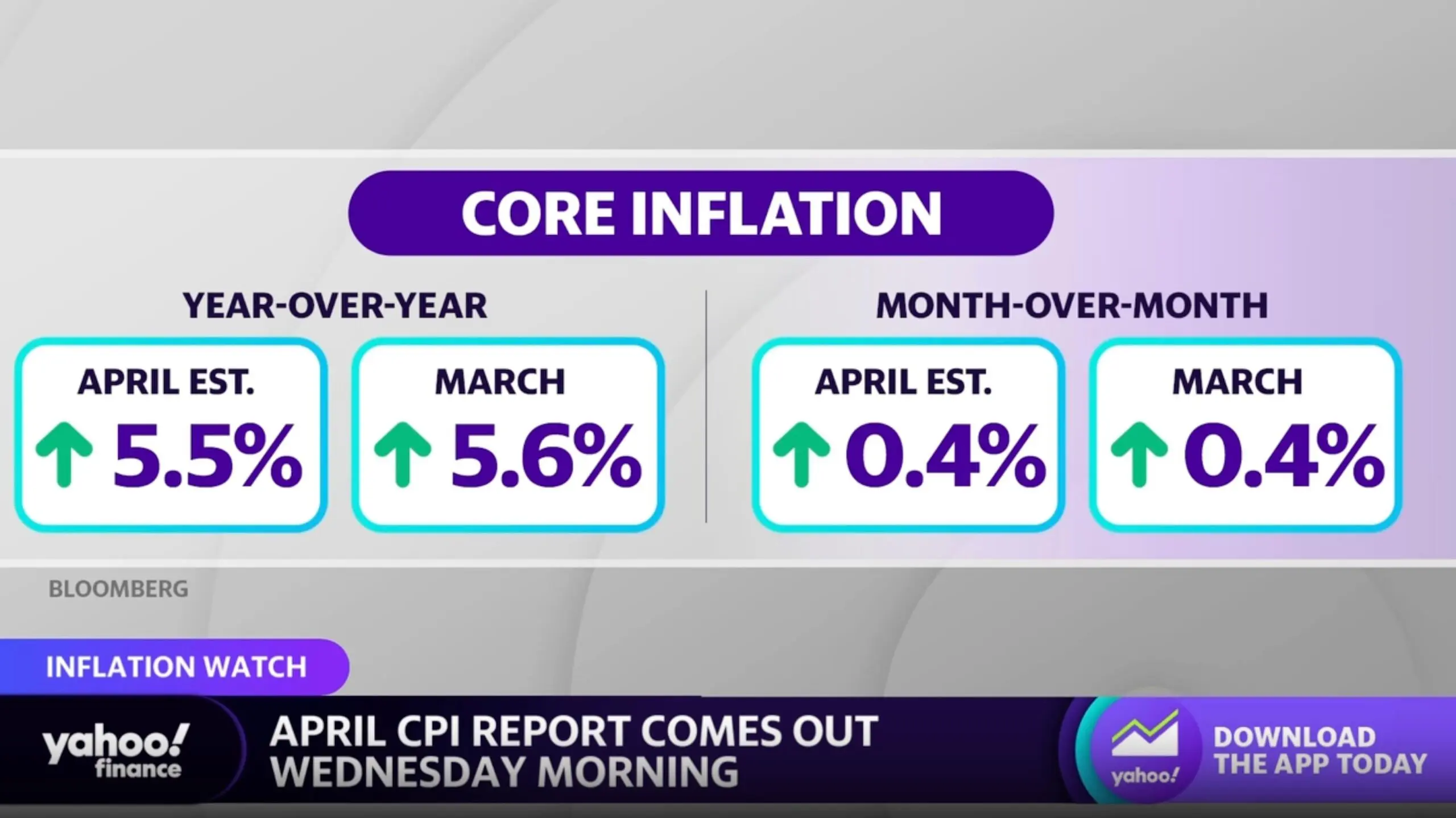
Many economists had anticipated that inflation rates would level off as supply chains recover; however, the latest figures suggest that volatility remains a reality in the current economic landscape. Core CPI, which excludes the more volatile food and energy sectors, saw a rise of 4.1% year-over-year. This indicates that inflation is not solely the result of fluctuating energy and food prices but is also influenced by broader economic factors.
The Impact of CPI on the Economy
The implications of the CPI report extend beyond mere numbers. The Federal Reserve closely monitors CPI data to inform its monetary policy decisions, particularly regarding interest rates. Following the CPI report, speculation around potential interest rate hikes has resurfaced, with markets reacting swiftly to signs of inflation persistence.
Additionally, businesses utilize CPI data to adjust pricing strategies and wage negotiations. For consumers, these fluctuations can directly impact living costs, savings, and overall economic wellbeing. The relationship between the CPI report and consumer sentiments cannot be overstated, as it is often linked to spending habits and future economic forecasts.
Conclusion
Moving forward, the significance of the CPI report will likely remain paramount, especially as economic recovery efforts and global events continue to shape inflation dynamics. Policymakers will need to strike a balance between fostering economic growth and controlling inflation, a challenging task in the current landscape. For consumers, staying informed about CPI trends is essential for making sound financial decisions in uncertain times. It is important for readers to monitor these developments closely, as they have direct implications for both personal finances and the broader economy.