Introduction
The 25th Amendment to the United States Constitution is a crucial element of our governmental framework, primarily concerning presidential succession and the transfer of power during times of incapacity. Ratified in 1967, it was created in response to concerns about the continuity of government in the wake of President John F. Kennedy’s assassination. Its relevance has only intensified as political landscapes evolve, making it essential for citizens to understand its provisions and implications.
Overview of the 25th Amendment
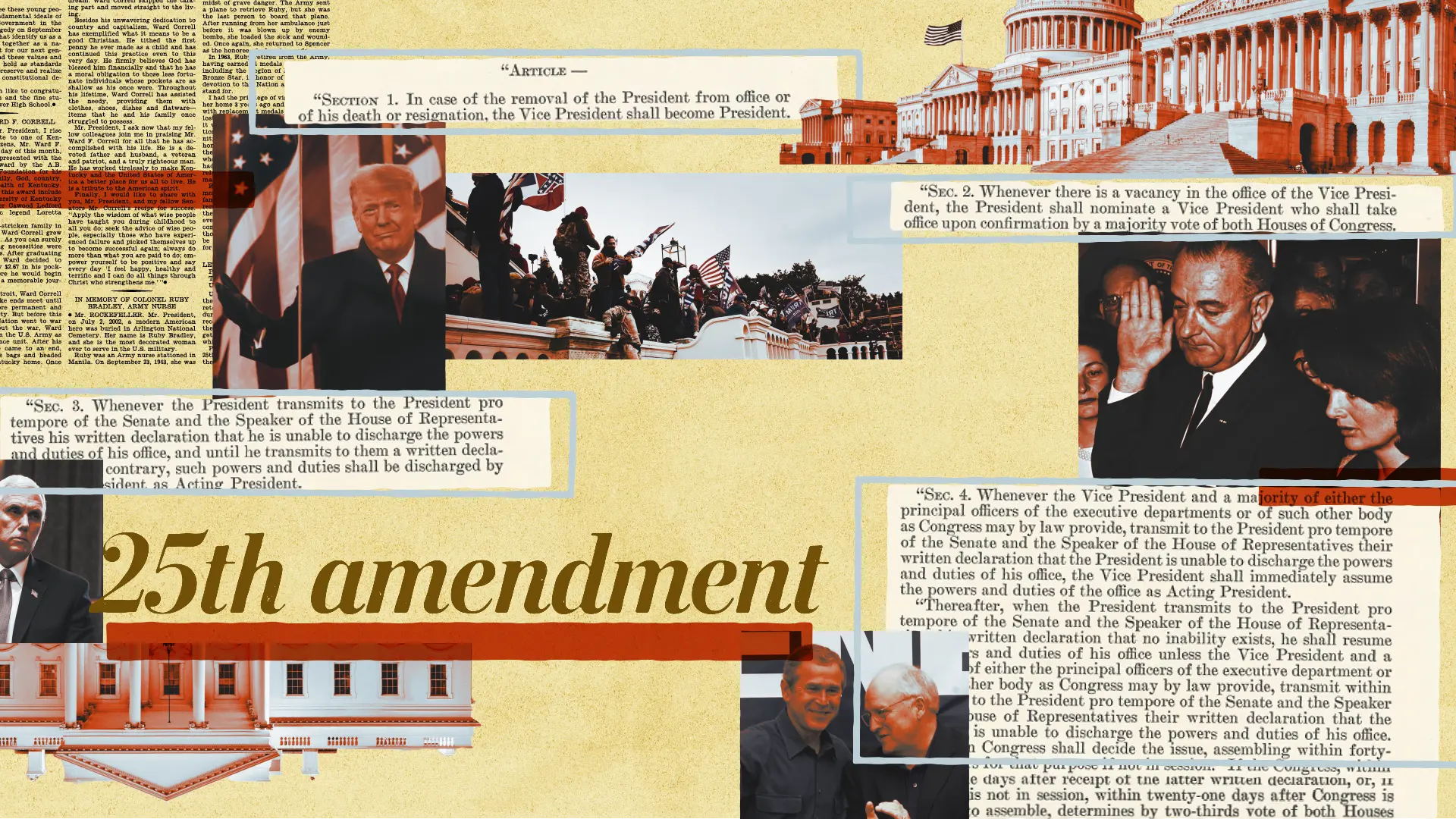
The 25th Amendment consists of four sections, detailing procedures for presidential succession and disability. Section 1 establishes that if the presidency becomes vacant, the vice president shall become president. Section 2 allows the president to nominate a new vice president, subject to Congressional approval. Sections 3 and 4 outline the procedures for a president who is unable to fulfill their duties temporarily, as well as the mechanisms for Congress to remove a president if they are deemed unfit for office.
Recent Discussions and Applications
In recent years, especially during periods of political strife and health crises, the 25th Amendment has come into the spotlight. Various discussions surrounding its potential invocation occurred during the Trump administration, notably following his COVID-19 diagnosis in October 2020. Critics and supporters alike debated the means by which the amendment might be applied, especially concerning Section 4, which requires the vice president and a majority of the Cabinet to agree to the president’s incapacity, a process laden with political implications.
Moreover, the current political climate continues to fuel conversations about the amendment, particularly as the nation prepares for future elections and potential health challenges among elderly leaders. Its provisions raise significant questions about power dynamics, political integrity, and the health of democracy itself.
Conclusion
The 25th Amendment stands as a key measure in safeguarding constitutional integrity during times of uncertainty and power transition. Understanding its framework not only enlightens citizens about governance processes but also encourages engagement in political discourse surrounding leadership effectiveness. As discussions about the amendment persist, especially in light of current events involving aging officials, it is critical for American citizens to remain informed and vigilant regarding the provisions and moral implications of presidential succession and incapacity.