Introduction
Martin Luther King Jr. remains one of the most influential figures in the history of civil rights in the United States. His advocacy for nonviolent protest during the 1950s and 1960s not only transformed the American landscape but also inspired movements for social justice worldwide. King’s approaches and ideologies continue to resonate amid contemporary discussions about race, equality, and justice, making his legacy as important today as it was during his lifetime.
Key Events and Contributions
Born on January 15, 1929, in Atlanta, Georgia, King emerged as a leader of the Civil Rights Movement following the Montgomery Bus Boycott in 1955. This pivotal event, sparked by Rosa Parks’ refusal to give up her bus seat, marked the beginning of a sustained campaign against racial segregation in the South. King’s leadership abilities came to the forefront when he was elected president of the Montgomery Improvement Association, coordinating a 381-day boycott that ultimately led to a Supreme Court ruling declaring bus segregation unconstitutional.
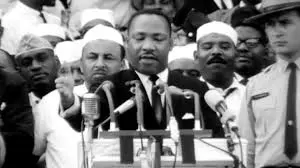
King’s famed “I Have a Dream” speech, delivered during the 1963 March on Washington, remains a seminal moment in American history. Here, he articulated a vision of equality and freedom, capturing the aspirations of millions and solidifying his position as a national spokesperson for the civil rights movement. His efforts earned him the Nobel Peace Prize in 1964, affirming his commitment to nonviolent resistance against injustice.
Challenges and Legacy
Despite significant achievements, King faced numerous challenges, including violent opposition from segregationists, government surveillance, and personal threats. His ability to maintain a message of peace and reconciliation in the face of adversity was a hallmark of his leadership.
King’s life was tragically cut short when he was assassinated on April 4, 1968, in Memphis, Tennessee. His death sparked widespread riots and mourning across the United States, underscoring the impact of his life’s work.
Conclusion
The significance of Martin Luther King Jr. extends far beyond his lifetime. His teachings on equality, justice, and nonviolence continue to inspire current and future generations. Today, as we confront issues of racial inequality and social injustice, King’s message serves as a timeless reminder of the ongoing struggle for civil rights. Various organisations commemorate his legacy each year with the Martin Luther King Jr. Day, celebrated on the third Monday in January, encouraging community service and education about his contributions. The fight for justice remains a work in progress, and King’s dream continues to inspire those dedicated to creating a more equitable world.