Introduction
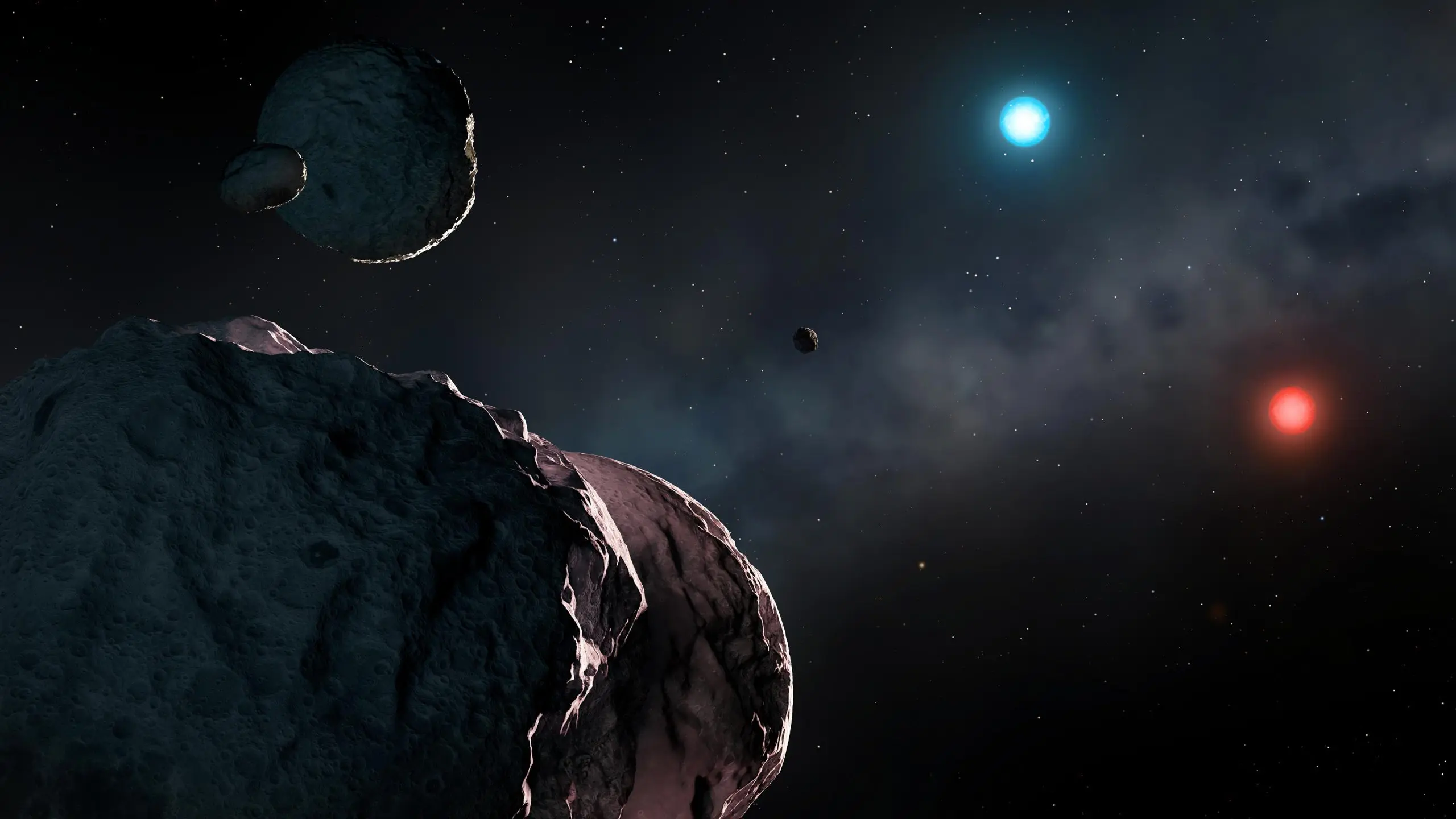
Astronomy has always been filled with surprises, but a recent discovery has taken the scientific community by storm. Astronomers have detected a new solar system that defies conventional understanding of planetary formation. This solar system, located approximately 330 light-years from Earth, may challenge existing theories and offer new insights into the complex dynamics of the universe.
The Unlikely Solar System
The newfound solar system, designated as TOI-1231, consists of three planets orbiting a star slightly cooler than our Sun. What makes this solar system particularly fascinating is its unique arrangement and the presence of a gas giant located unusually close to its star. Conventional models suggest that gas giants should form far from their parent stars, where temperatures are low enough to allow for the condensation of gaseous materials. However, TOI-1231 appears to contradict these principles.
The two inner planets are smaller and rocky, while the outer planet is a Neptune-like gas giant. According to astronomers from a recent study published in the journal Astronomy & Astrophysics, the discovery raises questions about migration theories, which explain how planets move over time. They suggest that TOI-1231’s planets may have formed in different regions of the protoplanetary disk and migrated to their current positions, but this is still a subject of deliberation among researchers.
Technology and Observations
This groundbreaking discovery was made using the Transiting Exoplanet Survey Satellite (TESS) and further analyzed by astronomers at various institutions. The precision and advancements in technology have played a vital role in identifying exoplanets and their characteristics, leading to a better understanding of the diversity of solar systems. Researchers emphasized that the transparency of data and collaboration across institutions have been crucial in making such discoveries possible.
Conclusion
The detection of the TOI-1231 solar system signifies a pivotal moment in our understanding of how planets form and evolve. The unexpected presence of a gas giant so close to its star prompts scientists to rethink existing models and theories in planetary formation. Future observations and studies will be essential in unraveling the secrets of TOI-1231 and other similar systems that may exist in our vast universe. Astronomers encourage the public to keep an eye on developments in this area, as they may lead to significant advancements in our understanding of cosmic phenomena and the possibility of life beyond Earth.