Introduction
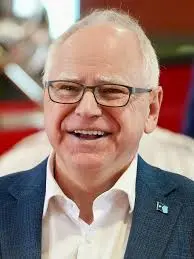
Tim Walz, the 41st Governor of Minnesota, has been a significant figure in state politics since his inauguration in 2019. His leadership has been marked by a focus on public health, education, and economic development. In light of recent events, understanding the implications of his policies and actions is essential for Minnesota residents, as well as anyone interested in state governance.
Key Policies and Initiatives
Governor Walz has prioritized several initiatives that reflect his administration’s goals. One of the major areas of focus has been the management of the COVID-19 pandemic. Under his guidance, Minnesota took significant steps to provide unemployment assistance, support for small businesses, and vaccination outreach. As of October 2023, recent reports indicate that vaccine distribution has remained high, with over 80% of residents having received at least one dose.
Additionally, Walz has implemented comprehensive measures aimed at improving education in Minnesota. His administration has pushed for increased funding for public schools, particularly in under-resourced areas. Following recent changes in state education policy, schools are now equipped with additional resources to address mental health needs, a pressing concern magnified during the pandemic.
Economic Recovery and Infrastructure
In the wake of the pandemic’s economic disruptions, Walz has also championed infrastructure investments aimed at stimulating economic recovery. The state recently passed a $1 billion infrastructure package, with funds allocated to road improvements, public transit expansion, and green energy projects. These efforts not only seek to create jobs but also to promote sustainable practices within Minnesota’s economic framework.
Moreover, Governor Walz has worked towards advancing Minnesota’s climate goals, aiming for a carbon-free electricity system by 2040. This ambitious plan has garnered mixed reactions; while environmentalists praise the forward-thinking approach, critics call for a balance between economic growth and environmental policies.
Conclusion
As the Walz administration continues to evolve, Minnesotans remain at the forefront of discussions related to public health, education, and economic stability. The upcoming elections in 2024 will likely serve as a significant barometer for his policies, as well as the overall sentiment towards his leadership. With an emphasis on progress and inclusivity, Governor Tim Walz’s time in office could set new precedents for Minnesota’s future. As the state navigates through challenges and opportunities, staying informed about these developments will be crucial for residents and stakeholders alike.