Introduction
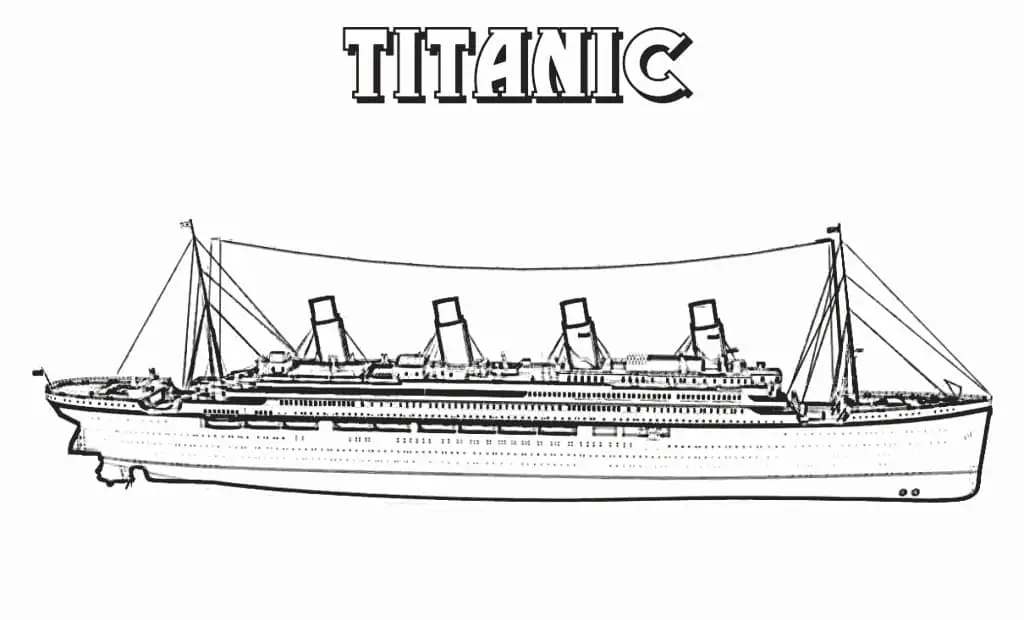
The Titanic, a name that evokes both fascination and heartache, was a symbol of opulence and human ambition. Its tragic sinking on April 15, 1912, remains one of the most infamous maritime disasters in history. The ship was deemed “unsinkable” by its creators, but the harsh reality of its fate serves as a poignant reminder of the perils of overconfidence and the unpredictability of nature. With the anniversary of its sinking approaching, discussions surrounding the Titanic’s legacy continue to captivate historians, filmmakers, and the public alike.
The Journey of the Titanic
The RMS Titanic embarked on its maiden voyage from Southampton, England, on April 10, 1912. The ship was equipped with state-of-the-art luxury features intended to cater to its wealthy elite passengers. Yet, beneath the surface of grandeur lay a series of overlooked safety measures and limitations that would later lead to tragedy. On the night of the disaster, Titanic collided with an iceberg, leading to the loss of over 1,500 lives.
Recent Developments and Continued Interest
In recent years, interest in the Titanic story has been reignited through documentaries, exhibitions, and movies, most notably James Cameron’s blockbuster film released in 1997. The film not only highlighted the human stories of love and loss but also revitalized .discussions around maritime safety regulations. Recent explorations of the wreck site have also uncovered new details about the ship’s deterioration, raising concerns about preservation.
The Titanic’s Legacy
Beyond the surface of its tragedy, the Titanic has influenced maritime regulations significantly. Following the disaster, international maritime laws were strengthened, leading to improved safety protocols, such as lifeboat requirements and iceberg monitoring. Today, museums house artifacts recovered from the wreck, serving as reminders of the human cost of the disaster and the need for constant vigilance in maritime safety.
Conclusion
The legacy of the Titanic continues to loom large, with each new finding about its wreckage sparking renewed interest in the ship’s story. As we move forward, educators, filmmakers, and historians will keep alive the memory of the Titanic and its passengers. Examining its history also encourages reflection on human ambition and vulnerability, ensuring future generations are continually educated about the lessons of the past.