Introduction
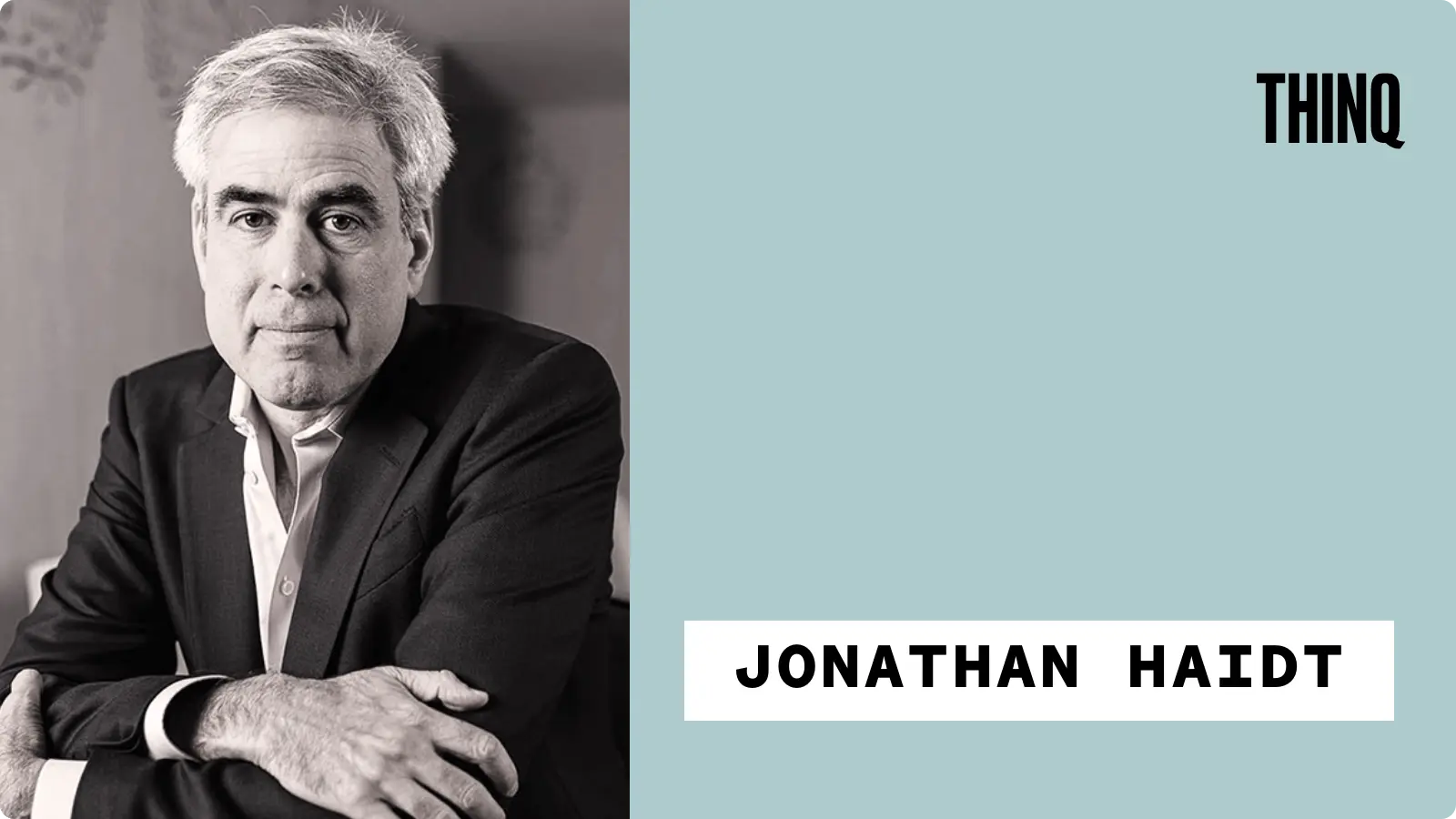
Jonathan Haidt, a prominent social psychologist and author, has made significant contributions to the understanding of human behavior and societal dynamics. His insights into morality, culture, and political polarization are particularly relevant today as societies navigate complex social issues. Haidt’s work provokes essential discussions about the underlying psychological mechanisms that drive our beliefs and interactions.
Main Body
Haidt gained widespread recognition with his book, The Righteous Mind: Why Good People Are Divided by Politics and Religion, published in 2012. In this work, he explores the psychological basis of morality and how it shapes political divides. According to Haidt, understanding the moral foundations that inform both liberal and conservative viewpoints can foster more productive dialogues in our polarized society.
In recent years, Haidt has been vocal about the impact of social media on discourse and mental health. His advocacy for promoting open dialogue is particularly critical in the age of misinformation and digital echo chambers. Haidt argues that platforms like Facebook and Twitter can exacerbate divisions by allowing users to engage primarily with like-minded individuals, thereby reinforcing existing biases.
Furthermore, Haidt’s critiques extend beyond politics. He has expressed concerns about the implications of current educational practices, suggesting that an overemphasis on safety and trigger warnings in universities may hinder students’ intellectual growth. He believes that exposure to diverse ideas, even those that may be unsettling, is crucial for developing critical thinking skills.
Conclusion
As we continue to grapple with increasing societal complexities, Jonathan Haidt’s work remains significant. His insights into morality, dialogue, and the dangers of ideological conformity are essential for fostering understanding and healing in a divided world. Looking ahead, it is vital for educators, policymakers, and individuals to consider Haidt’s recommendations for navigating the contemporary landscape. By encouraging open discourse and embracing diverse perspectives, society may cultivate a climate conducive to collaboration and resilience in addressing our most pressing challenges.