Introduction
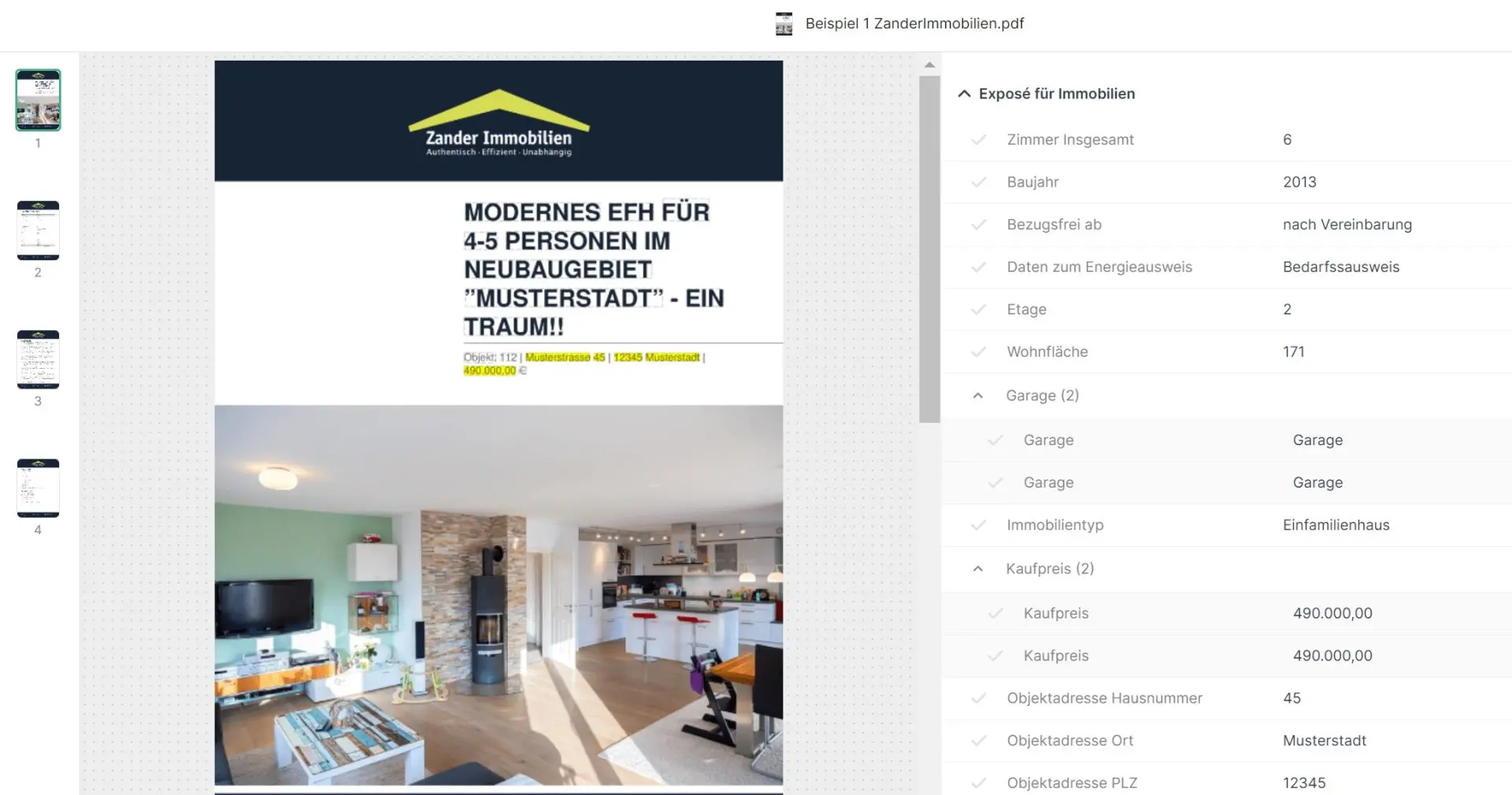
The integration of artificial intelligence (AI) in real estate is rapidly transforming the industry. AI technologies enhance the efficiency of property transactions, improve market analyses, and personalize customer experiences. In an increasingly digital world, understanding AI’s role in real estate is crucial for both professionals and homebuyers.
Current Trends in AI Real Estate
According to a recent report by Deloitte, the real estate sector is leveraging AI for various applications, including predictive analytics, chatbots, and smart property investment tools. Predictive analytics enables real estate firms to forecast market trends and identify lucrative investment opportunities. For instance, companies like Zillow are using algorithms to estimate property values accurately, providing users with crucial data about market fluctuations.
Furthermore, AI chatbots are becoming increasingly popular, assisting potential buyers with their inquiries and guiding them through the home-buying process. These virtual assistants are available 24/7, offering immediate responses and freeing up valuable time for real estate agents. Additionally, AI-driven platforms like Opendoor allow users to buy and sell homes with minimal human intervention, streamlining the real estate transaction process.
Benefits of AI in Real Estate
The benefits of implementing AI in real estate extend beyond operational efficiency. AI tools enhance customer experience through personalized recommendations and user-friendly interfaces. By analyzing user data, AI can suggest properties that align with a buyer’s preferences and budget, reducing the time spent searching for a home.
Moreover, AI aids in risk assessment and investment strategies by analyzing historical data and market trends. This data-driven approach minimizes risks associated with property investments and empowers investors to make informed decisions.
Challenges and Considerations
Despite its benefits, the integration of AI in real estate is not without challenges. Concerns about data privacy and the ethical use of AI algorithms persist. As real estate professionals gather vast amounts of personal data, they must ensure compliance with privacy laws and maintain customer trust.
Additionally, there is a learning curve for individuals and companies who are not tech-savvy. Adopting AI technologies requires proper training and infrastructure, which may present barriers for some businesses.
Conclusion
As AI continues to evolve, its impact on the real estate industry is expected to grow. Companies that embrace AI technologies will likely gain a competitive edge by improving efficiency, enhancing customer satisfaction, and making better investment decisions. For homebuyers and real estate professionals, staying informed about these advancements will be crucial in navigating the modern real estate landscape.