Introduction
Bali, known for its stunning landscapes and vibrant tourism, has recently faced severe flooding that has disrupted daily life and prompted a state of emergency. Climate change and heavy rainfall patterns have increasingly put communities at risk, and the recent events highlight the urgent need for improved disaster preparedness and response strategies. The immediate effects of such natural disasters are profound, affecting not only local residents but also the millions of tourists who flock to the island every year.
The Recent Flooding Events
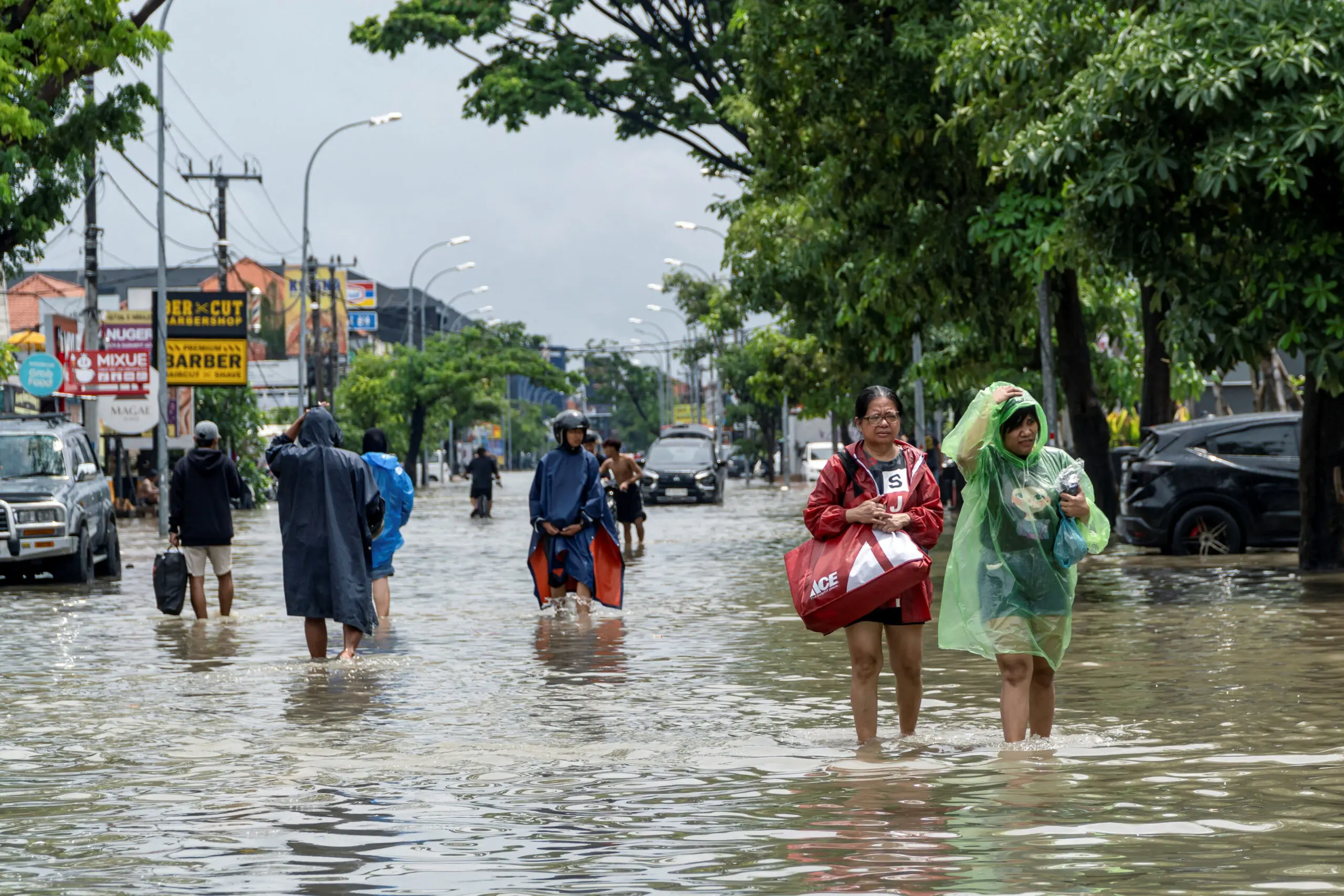
In late September 2023, Bali experienced unprecedented rainfall, leading to flash floods across various areas including Denpasar, Ubud, and the surrounding regions. Reports from local authorities indicate that some parts of the island received up to 200mm of rain in 24 hours, overwhelming drainage systems and causing rivers to overflow.
According to the Badan Meteorologi Klimatologi dan Geofisika (BMKG), the Indonesian Meteorology, Climatology, and Geophysics Agency, this extreme weather event was exacerbated by ongoing La Niña conditions, which have altered rainfall patterns across Indonesia. As a result, many homes were inundated, roads were rendered impassable, and the impact on agriculture has raised concerns for food security in the region.
Emergency Response and Community Support
The Indonesian government has declared a state of emergency in the most affected areas, mobilizing emergency services and disaster relief teams to provide immediate assistance to those affected. Local non-profit organizations, alongside international aid groups, are coordinating efforts to distribute essential supplies such as food, clean water, and medical aid to displaced residents. Emergency shelters are also being established to accommodate families who have lost their homes.
Community resilience has shone through during these challenging times, with local residents contributing to clean-up and recovery efforts. Initiatives to support farmers affected by the flooding are also being planned, ensuring that livelihoods can be restored quickly.
Conclusion
The recent floods in Bali underscore the urgent need for enhanced disaster preparedness and climate action in vulnerable regions. As communities work together to recover from these events, there is a clear call for more robust infrastructure to mitigate the impacts of future flooding. This incident serves as a reminder of the unpredictable nature of climate change, reinforcing the importance of both local and global responses to environmental challenges. For residents and potential visitors alike, understanding these dynamics is crucial as Bali continues to navigate the effects of climate change and natural disasters.