Introduction
The concept of the classroom has undergone significant transformations over the years, adapting to the changing educational landscape and technological advancements. With the rise of digital learning tools and the shift towards student-centered pedagogy, the classroom remains a crucial environment for fostering learning, creativity, and collaboration among students. This article explores the modern classroom’s significance and the ongoing trends affecting its development.
Key Features of the Modern Classroom
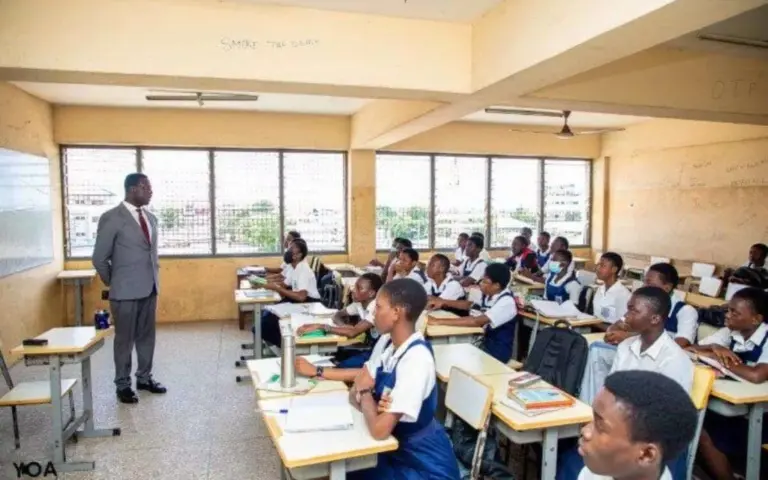
Today’s classrooms are designed to be more interactive and engaging. The traditional rows of desks have evolved into flexible seating arrangements, promoting collaboration and teamwork. Many modern classrooms are equipped with smart boards and digital technology that allow teachers to integrate multimedia and interactive content into their lessons.
Furthermore, the incorporation of technology such as tablets and educational software has enabled personalised learning experiences. Teachers can cater to diverse learning styles, ensuring that each student has the opportunity to thrive. According to the UK Department for Education, over 90% of schools now employ some form of technological integration within their classroom settings.
Impact of the COVID-19 Pandemic
The COVID-19 pandemic has resulted in a substantial shift in how classrooms operate. Social distancing measures led to the rapid adoption of online and hybrid learning models. This transition prompted educators and institutions to reconsider the traditional classroom setup completely. A survey by the Education Endowment Foundation found that 86% of teachers reported they were more open to changing their teaching methods, indicating the desire to adapt to new educational challenges.
As schools prepare for a post-pandemic environment, many are incorporating elements of remote learning into their classroom models, striving for a blended approach that combines face-to-face interaction with online resources.
Future Directions
Looking ahead, the classroom’s role will likely continue to evolve. With an increasing focus on mental health and well-being, classrooms are becoming environments that prioritise not only academic success but also social and emotional development. Initiatives that promote inclusive practices and address diverse learning needs are expected to shape the future of classrooms significantly.
Moreover, educators are advocating for more green and sustainable classroom designs, recognising the importance of the physical environment in promoting learning. Research by the Centre for Sustainable Education indicates that students in naturally lit, well-ventilated classrooms show an increase in concentration and overall performance.
Conclusion
In conclusion, the classroom remains an essential space for learning, evolving with time to meet the demands faced by students and educators alike. As we navigate the complexities of modern education, adapting to new methodologies will be critical for creating inclusive, engaging, and effective learning environments. For educators and policymakers, understanding these trends and the significance of the modern classroom will ensure that we continue to foster future generations equipped for success.