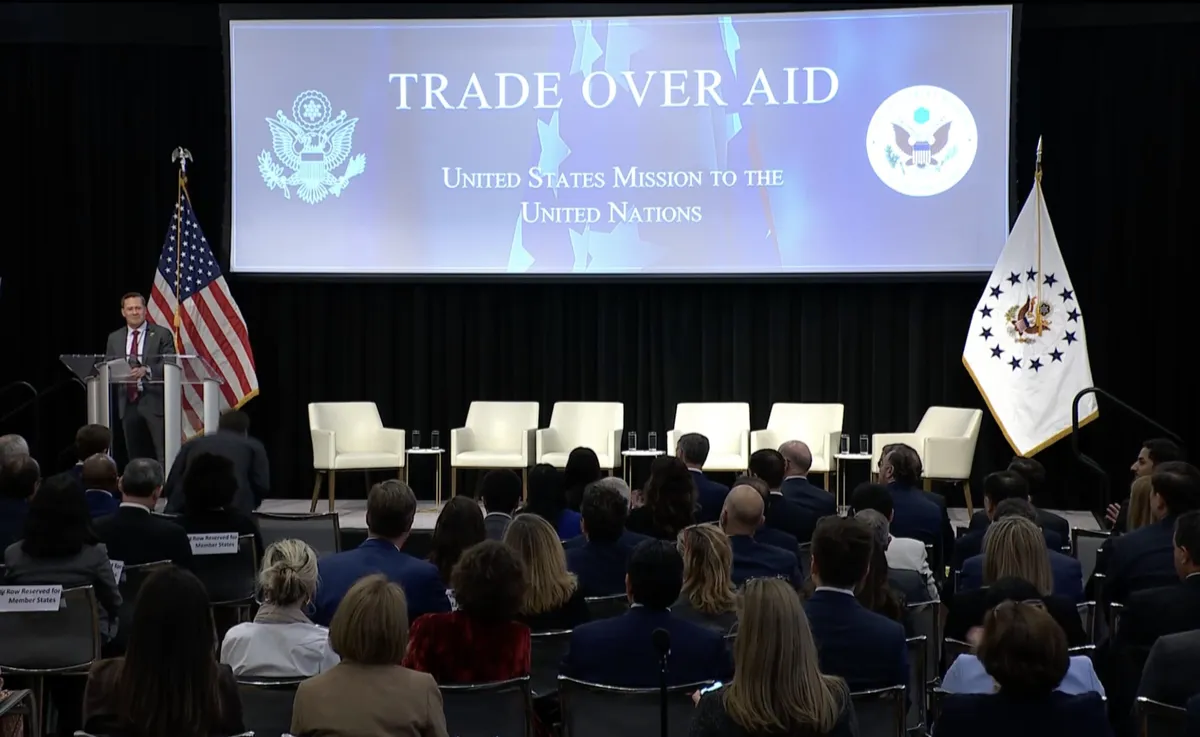
Ghana’s rejection of the United States’ terms for bilateral health assistance on April 29, 2026, underscores a growing trend among African nations to resist foreign aid conditions. The US demanded sensitive health data sharing as part of its assistance package, which Ghana deemed unacceptable.
This decision follows a pattern where countries like Zambia and South Africa also navigate complex negotiations with the US regarding health aid. Zambia faces a deadline on April 30 to decide whether to offer its mineral wealth to US companies in exchange for health support.
The implications are significant. US aid has historically supported vital programs, such as antiretroviral treatment for approximately 1.3 million Zambians. However, the Trump administration’s policies have strained relations, notably freezing South Africa out of health aid due to its stance on Israel and historical policies.
Experts warn that this shift could jeopardize decades of progress against diseases like HIV/AIDS. Thomas McHale stated, “Our report illustrates what an ‘America First’ approach to global health looks like: Lifesaving programs shuttered.” Emily Bass added that sudden funding withdrawals could cause long-term harm to vulnerable populations.
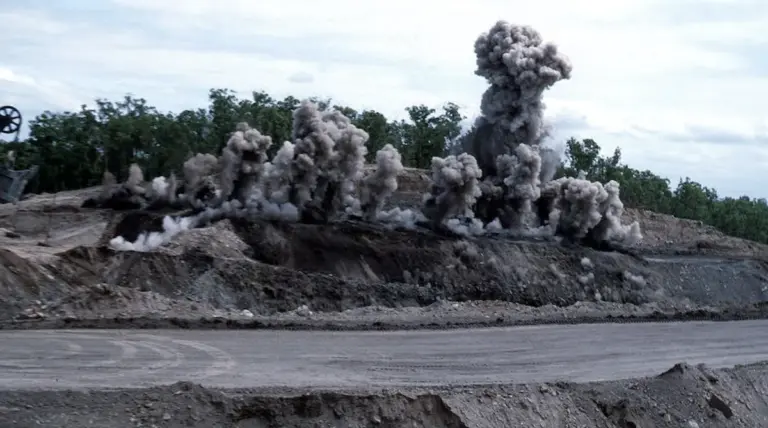
Meanwhile, Ghana’s status as Africa’s largest gold producer complicates its relationship with foreign entities. The country is tightening regulations on foreign mining operations while balancing international relations with powers like Russia and China.
The DRC has also offered mining opportunities to US companies in areas controlled by M23 rebels. The US has delayed signing an MOU with the DRC, opting instead for a strategic partnership agreement, indicating a transactional approach in its dealings.
This evolving landscape reflects broader tensions in international relations. Luca Cirigliano remarked, “The only country to have changed its position is the US.” As countries assert their autonomy, the dynamics of foreign aid and assistance continue to evolve.
As African nations reassess their relationships with foreign powers, the outcomes remain uncertain. The next significant decision will come from Zambia by April 30 regarding its mineral resources and potential partnerships with the US.