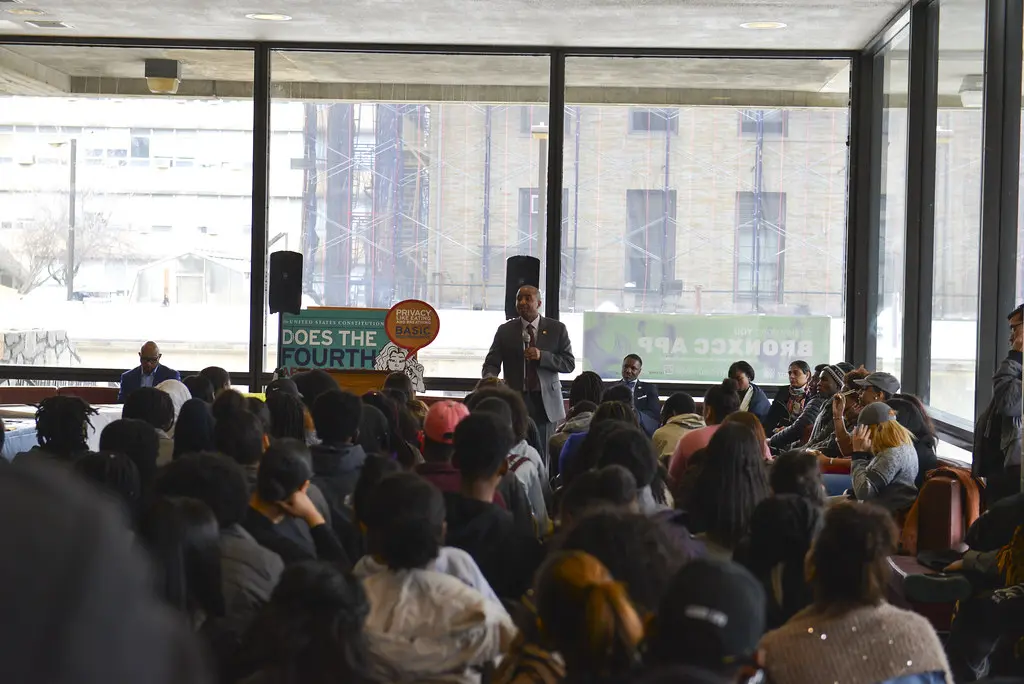
Introduction to HBCUs
Historically Black Colleges and Universities (HBCUs) have played a crucial role in shaping the educational landscape in the United States. Established primarily to educate African American students during a time when access to higher education was severely limited, HBCUs continue to be important institutions that promote diversity, equity, and inclusion. As issues surrounding racial inequality and educational access remain relevant today, understanding the significance of HBCUs is more important than ever.
Current Events and Developments
As of 2023, HBCUs are experiencing a resurgence in interest, partly due to recent examinations of systemic racism in various sectors, including education. According to a report from the National Centre for Education Statistics, enrolment at HBCUs has seen a slight increase with a growth of approximately 4% in the past academic year, as more students seek an inclusive educational experience. Notable HBCUs such as Howard University, Spelman College, and Morehouse College have attracted attention for not only their academic rigor but also their commitment to social justice and community engagement.
In response to the growing awareness and investment in these institutions, various federal and private funding initiatives have been established. The Biden administration allocated funding specifically for HBCUs as part of its larger plan to address educational inequities. In a historic investment, $5.8 billion has been earmarked to support the enhancement of STEM programs and infrastructure development at HBCUs, ensuring that these institutions can offer cutting-edge educational resources to their students.
The Role of HBCUs in Empowerment
Beyond their academic offerings, HBCUs serve as vital community hubs and employment gateways for their graduates. They boast notable achievements in producing graduates who excel in various fields, particularly in STEM (Science, Technology, Engineering, and Mathematics). Reports indicate that HBCU alumni tend to have higher levels of civic engagement, often returning to their communities to create positive change. For example, states with a high concentration of HBCUs are witnessing a renewed focus on local economy development and public service initiatives.
Conclusion: Significance for the Future
The future of HBCUs is one filled with potential and promise. As they adapt to the changing educational landscape, their emphasis on nurturing talent, promoting diversity, and effecting social change will only grow more significant. For students considering their higher education options, HBCUs represent an advantageous choice, offering not only quality education but also a network of support that is invaluable in today’s competitive environment.
The ongoing investment and focus on HBCUs may significantly alter perceptions and dismantle stereotypes surrounding these institutions. As society moves towards greater acceptance and equity, the importance of HBCUs will undoubtedly resonate for generations to come.