Introduction
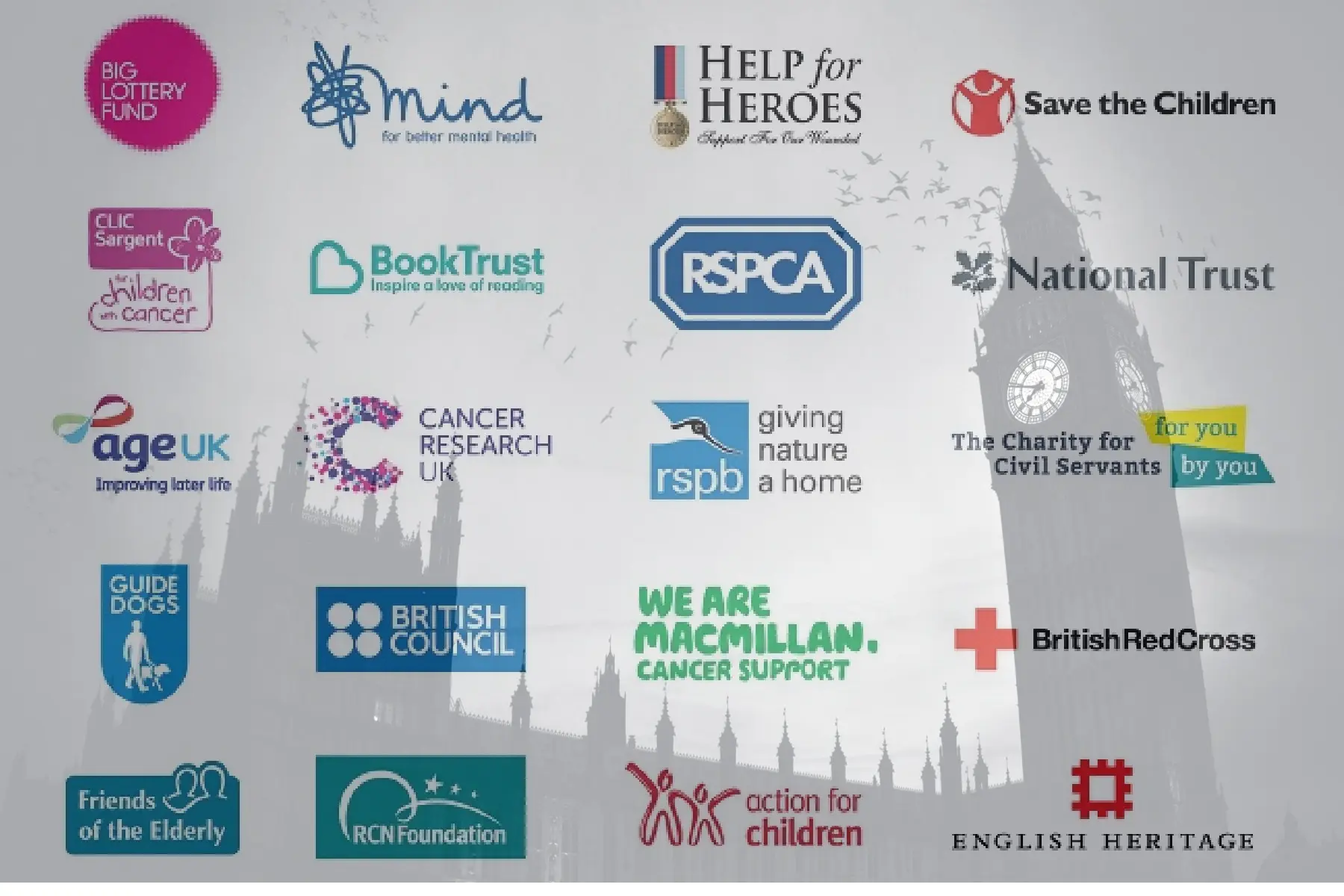
British charities play a crucial role in addressing social issues, providing support to vulnerable populations, and responding to urgent needs in the community. With over 168,000 registered charities in the UK, these organisations significantly influence various sectors, including health, education, and social care. Their importance cannot be overstated, particularly in light of recent global challenges such as the COVID-19 pandemic and climate change, which have highlighted the need for robust support systems. This article explores the latest developments in British charities, the challenges they face, and their ongoing significance in society.
Current Landscape of British Charities
In recent years, British charities have adapted to a rapidly changing landscape marked by economic challenges and evolving societal needs. According to the Charity Commission, total income for charities in the UK exceeded £80 billion in 2021, with individuals contributing nearly £24 billion through donations. However, charities also face daunting challenges, including inflation, rising operational costs, and the need to innovate to meet changing demands.
Many charities have launched fundraising campaigns that employ digital methods to reach a broader audience. For example, large organisations like the British Red Cross and Oxfam have turned to online events and social media campaigns, enabling them to maintain donor engagement during challenging times. Additionally, smaller charities have benefited from community support initiatives that have gained momentum over the past few years, fostering local collaborations to address specific regional issues.
Examples of Impactful British Charities
Noteworthy examples of British charities making significant strides include the National Health Service Charities Together, which supports NHS staff and patients, particularly during the ongoing recovery from the pandemic. Additionally, Mind, the mental health charity, has been active in addressing mental health issues exacerbated by the crisis, supporting individuals with mental health challenges through resources and services.
Another essential contributor is the Trussell Trust, which operates a network of food banks across the UK. Amid rising food insecurity, this charity has seen a dramatic increase in demand for its services, serving millions of people each year. These organisations illustrate how British charities are not just reactive but proactive in tackling vital societal issues.
Conclusion
With the challenges they face, British charities remain a beacon of hope in the community. As we move forward, the significance of these institutions will only increase, particularly as they continue to address pressing issues such as poverty, mental health, and social inclusion. For readers, understanding the role of British charities inspires the importance of supporting these organisations through donations, volunteering, or advocacy. Their ongoing efforts are essential in building a more resilient and compassionate society.