Introduction
The ongoing tensions between Greece and Turkey have deep historical roots and significant implications for stability in the Eastern Mediterranean. As both nations share a complicated relationship that oscillates between cooperation and conflict, understanding the latest developments is crucial not only for the involved parties but also for the broader region.
Historical Context
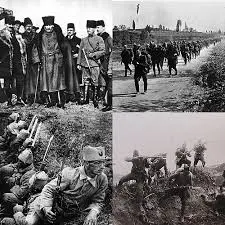
Greece and Turkey have shared a fraught history, particularly following the fall of the Ottoman Empire and the establishment of modern Greece. Issues surrounding territorial disputes, air space violations, and the status of Cyprus have been the focal points of contention. More recently, the discovery of gas reserves in the Eastern Mediterranean has escalated these tensions, drawing in NATO and the European Union.
Recent Developments
In recent months, the situation has intensified. The governments of both countries have engaged in military exercises, with Greece bolstering its defense capabilities. The Turkish government, led by President Recep Tayyip Erdoğan, has made assertive claims over regions in the Aegean Sea and has announced missions to explore for hydrocarbons. These moves have led to heightened regional anxiety and criticisms from the international community.
Diplomatic efforts have been made to defuse the situation, notably through EU mediation; however, talks have stalled. The European Union has expressed solidarity with Greece, imposing sanctions on Turkey during previous escalations, but finding a lasting solution remains elusive.
Future Significance
The implications of Greece and Turkey’s tensions extend beyond their borders. Stability in the Eastern Mediterranean is essential for energy security, migration management, and regional cooperation. Analysts suggest that unless diplomatic lines are opened and substantive negotiations are pursued, the risk of conflict rises, with potential consequences affecting NATO cohesion and the integrity of international regulations.
As both nations navigate their complex histories and national interests, the international community watches closely. In a time when geopolitical alignments shift rapidly, understanding the dynamics of Greece vs Turkey is vital.
Conclusion
The clash between Greece and Turkey encapsulates a broader narrative of nationalism, regional power struggles, and international diplomacy. For readers and stakeholders, remaining informed about these developments is crucial, as the outcomes will not only influence Greek and Turkish citizens but also affect the stability of a strategically critical region.