Introduction
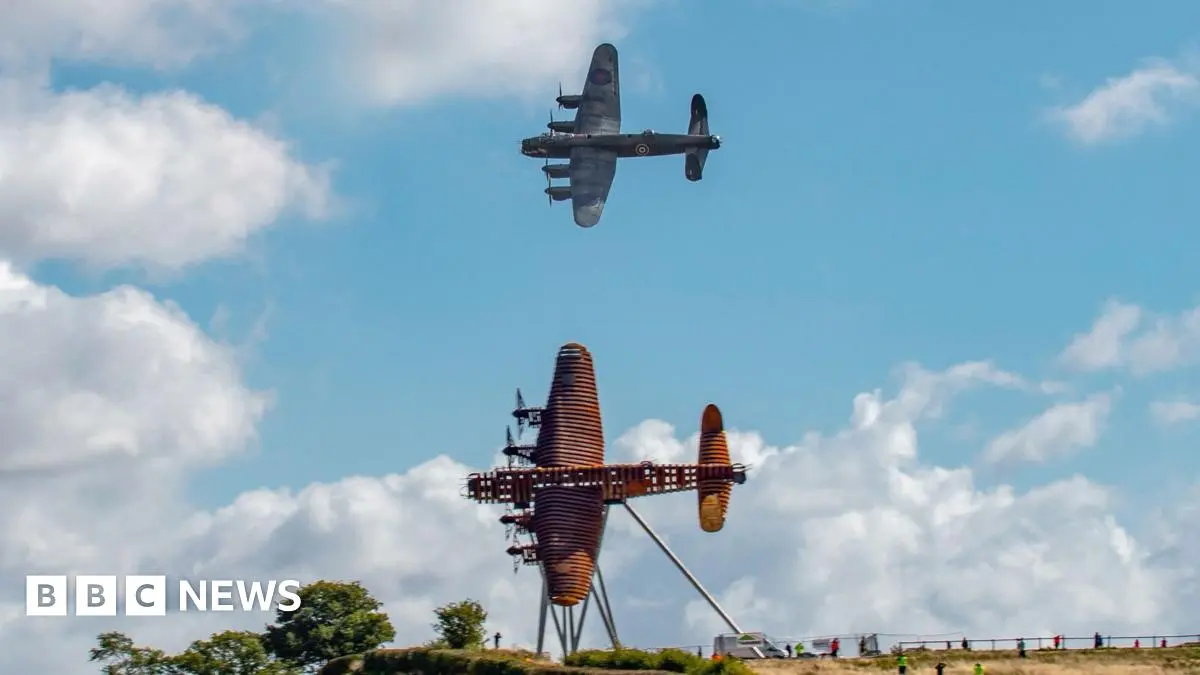
The Lancaster Bomber sculpture has become a vital symbol of remembrance and tribute, encapsulating the legacy of the Royal Air Force during World War II. As the 80th anniversary of the end of the war approaches, such monuments remind us of the courage and innovation exhibited by servicemen and women. In recent months, discussions and events surrounding this iconic aircraft’s representation in art have garnered attention, focusing on its historical importance and emotional resonance.
The Lancaster Bomber: A Historical Overview
The Avro Lancaster, known for its distinctive silhouette and impressive flying capability, was a British heavy bomber that played a pivotal role in several key operations, including the famous Dambusters raid in 1943. With a maximum payload of 22,000 pounds, the Lancaster was instrumental in targeting enemy infrastructure, helping to change the tide of the war. Each sculpture dedicated to the Lancaster reflects this storied past and evokes a sense of national pride.
Recent Developments
Recently, a new Lancaster Bomber sculpture was unveiled in Lincolnshire, England, with special ceremonies attracting veterans, historians, and local community members. The sculpture, created by renowned artist Henry B. Williams, features a life-sized representation of the aircraft in flight, symbolising not just the technical prowess of the engineers who designed it, but also the bravery of those who flew it. This event reinforces the commitment to remembering the contributions of the Royal Air Force in shaping modern history.
Significance and Community Engagement
Community involvement has played a significant role in the development of these sculptures, with many local citizens participating in fundraising efforts and awareness campaigns. Educational programmes tied to the Lancaster Bomber encourage younger generations to learn about its significance through interactive experiences. The sculpture serves not only as an artistic piece but also as a catalyst for dialogue around wartime sacrifices and innovation in aviation.
Conclusion
The Lancaster Bomber sculpture represents more than just an aircraft; it embodies the spirit of resilience, teamwork, and heroism. As we approach significant anniversaries related to World War II, the importance of recognising these contributions becomes even clearer. By fostering a connection between the past and present, such sculptures ensure that the stories of those who served are remembered and respected, instilling a sense of hope and inspiration for future generations.