The Importance of the Union Jack
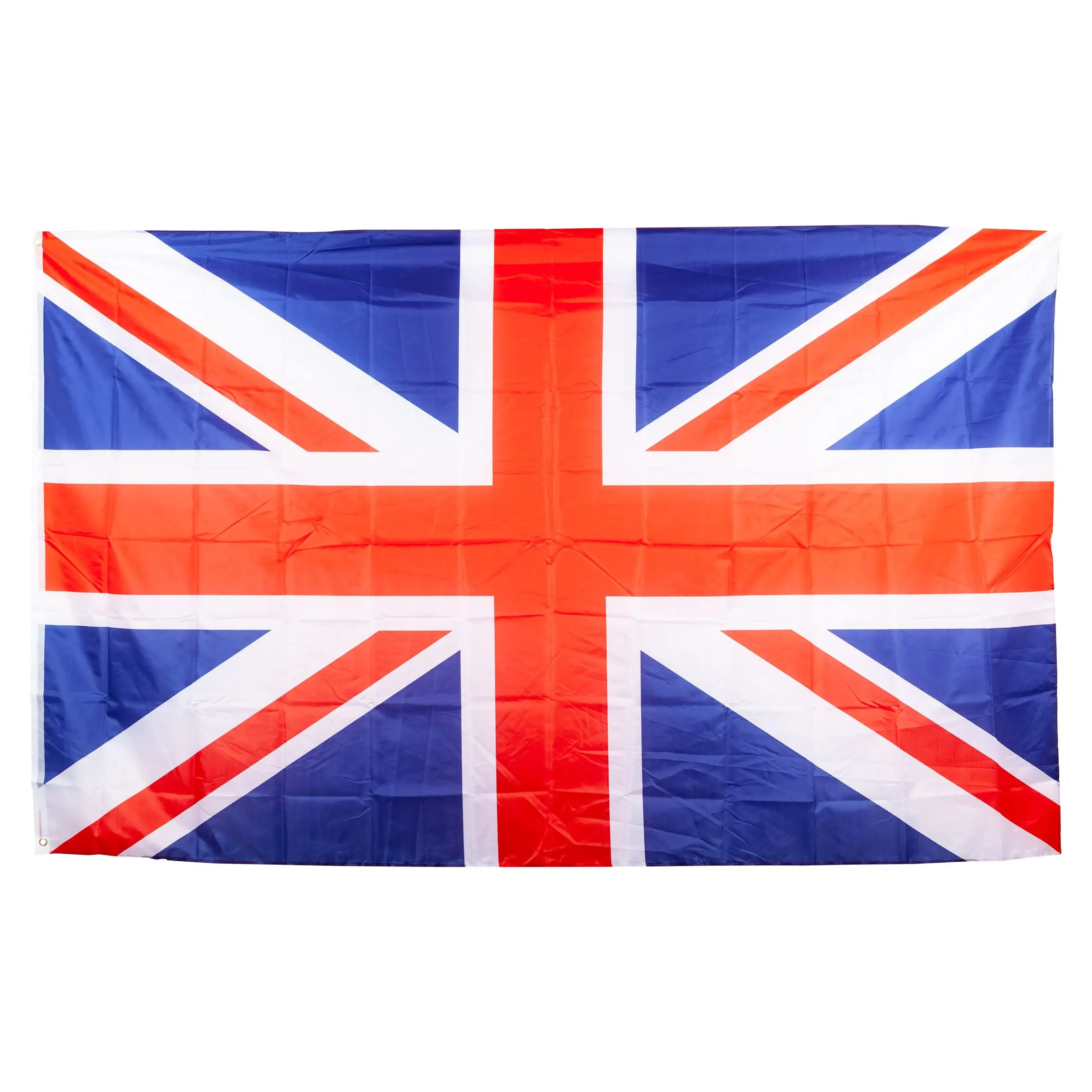
The Union Jack is not merely a flag; it represents the unity and history of the constituent countries of the United Kingdom: England, Scotland, and Northern Ireland. Its distinctive design, comprised of the crosses of St George, St Andrew, and St Patrick, serves as a powerful emblem of national identity.
Historical Background
The origins of the Union Jack date back to 1606, when the flag was first adopted when King James VI of Scotland became King James I of England. The current design was created in 1801, after the Act of Union, which united Great Britain and Ireland.
The design incorporates the red cross of St George for the kingdom of England, the white saltire of St Andrew for Scotland, and the red saltire of St Patrick, representing Ireland. The flag has evolved over the years, with its current form becoming widely recognised during the Victorian era.
Recent Discussions and Significance
In recent years, the Union Jack has been at the forefront of discussions regarding national identity, particularly in the context of Brexit and the varying attitudes towards nationalism in Scotland and Northern Ireland. As these regions contemplate their individual identities within or outside of the UK, the flag has become a symbol of both unity and division, provoking diverse reactions and interpretations.
Cultural Impact and Global Recognition
Beyond its national significance, the Union Jack is a globally recognised symbol. It has been featured in various pop culture contexts, from fashion to music, and has become a staple representation of British culture worldwide. Events like the London 2012 Olympics showcased the Union Jack prominently, reinforcing its role as an emblem of national pride.
Conclusion
The Union Jack remains a potent symbol of the United Kingdom, encapsulating its history, culture, and evolving identity. As discussions regarding the future of the union continue, the flag’s significance is likely to grow. Its design will continue to inspire debate, pride, and a sense of heritage, reminding the citizens of the UK of their shared history and the complex dynamics that shape their nation today.