The Importance of Nosferatu
Nosferatu, released in 1922, is considered a masterpiece of silent cinema and a cornerstone of the horror genre. Its eerie depiction of Count Orlok has left a lasting impact on various adaptations of vampire lore in films and literature. The significance of this film extends beyond mere entertainment, representing the fears and anxieties of post-World War I society. With the upcoming release of Nosferatu 2024, the classic tale is set to be revived for a new generation, sparking excitement and anticipation among horror enthusiasts and filmmakers alike.
What to Expect from Nosferatu 2024
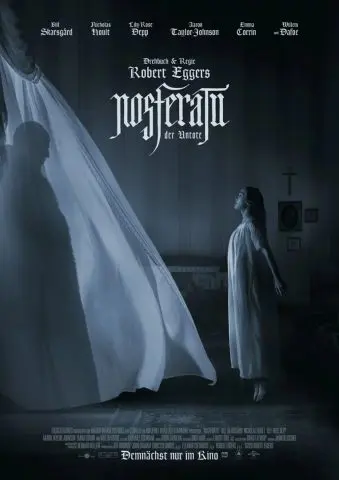
The 2024 version of Nosferatu, directed by acclaimed filmmaker Robert Eggers, is expected to pay homage to the original while bringing a fresh perspective to the narrative. Eggers, known for his distinctive style in films like ‘The Witch’ and ‘The Lighthouse’, aims to intertwine historical context with psychological depth, exploring themes of obsession and isolation. The film will feature a star-studded cast including Bill Skarsgård, who will portray Count Orlok, and Lily-Rose Depp in a key role. Production began earlier in 2023, and the film is slated for release in late 2024, generating significant buzz on social media platforms and among film critics.
The Impact on the Horror Genre
Nosferatu 2024 is not just a remake; it is a revitalisation of an iconic story that resonates with contemporary audiences. The film’s emergence comes at a time when horror cinema is experiencing a renaissance, with filmmakers pushing creative boundaries and experimenting with narrative techniques. As societal fears evolve, the 2024 adaptation of Nosferatu is expected to reflect these changes, incorporating modern sensibilities within the classic framework. Furthermore, its release could inspire a resurgence of interest in horror classics, leading to new adaptations and explorations of other seminal works.
Conclusion: A New Chapter in Cinematic History
As the anticipation mounts for Nosferatu 2024, it signifies more than just a reimagining of a classic horror film—it represents a bridge between past and present, reawakening the exploration of fear through a contemporary lens. The film holds the potential to captivate audiences, propelling the vampire mythos into new cultural dialogues while honouring its roots. For fans of the genre, this adaptation promises to be a crucial addition to the horror landscape, highlighting the timelessness of Nosferatu’s narrative and its relevance in today’s society.