Introduction
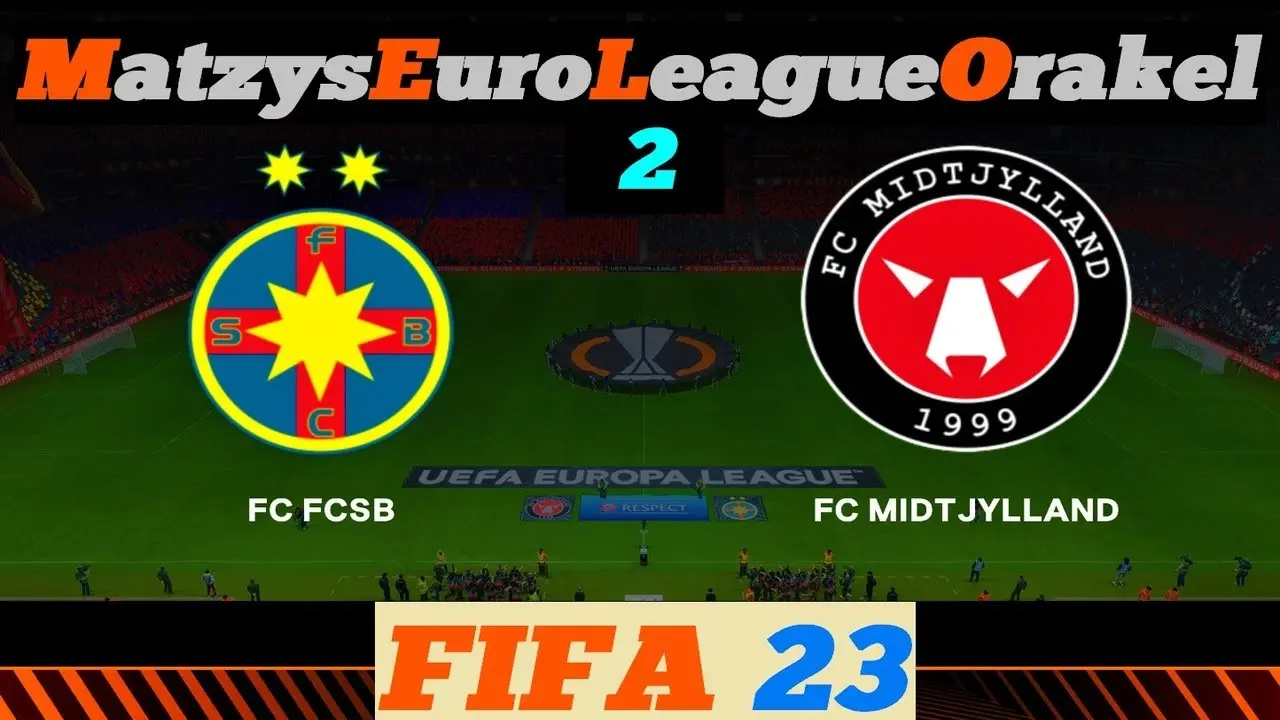
FCSB, formerly known as Steaua Bucharest, is not just a football club; it is a symbol of Romanian football and culture. Established in 1947, FCSB has forged a legacy that extends beyond the field, resonating with millions of fans across Romania and abroad. Its significance lies in both its numerous domestic titles and the historic achievement of becoming the first Eastern European team to win the UEFA Champions League in 1986. In recent times, FCSB remains a crucial player in Romanian football, continually striving for excellence amidst evolving competition.
Current Standing and Recent Performance
As of late 2023, FCSB is actively competing in Liga I, Romania’s top football league. The team, under the management of a new head coach, has shown a mix of promise and challenges through the first half of the season. With key players, including promising youngsters and experienced internationals, FCSB aims to reclaim the Liga I title, which has eluded them in recent campaigns. Their performance in domestic cups has also kept the fans engaged, as the club’s ambition extends beyond just league success.
Fan Engagement and Cultural Influence
The support for FCSB is profound and passionate. The club’s fan base, known as ‘The Army,’ is famous for its unwavering loyalty and spectacular displays during matches. Home games at the Arena Națională in Bucharest transform into vibrant festivals of football, epitomising the community’s spirit. FCSB also engages in various social initiatives, impacting not just sports but education and community welfare, further solidifying its role as a beacon in Romanian society.
Conclusion and Future Outlook
FCSB’s journey reflects the ups and downs of Romanian football, embodying the resilience and passion of its fans. As they navigate the challenges of the current season, there’s a collective hope for a triumphant return to glory. Observers predict that the club’s strong youth academy will continue producing talent that can propel FCSB back to the forefront of Romanian and European football. This legacy of nurturing young players alongside attracting top talent could ensure that FCSB remains competitive in both domestic and international arenas, securing its place as a cornerstone of Romanian sports.