Introduction
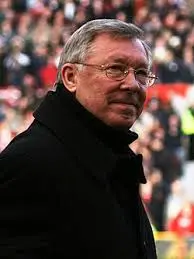
Sir Alex Ferguson is a name synonymous with success in the world of football. As the former manager of Manchester United, his tenure from 1986 to 2013 is regarded as one of the most successful in the history of the sport. Ferguson’s influence transcends club loyalties, making him a respected figure across the footballing community. Understanding his strategies, philosophies, and profound impact is crucial for both fans and aspiring managers alike.
The Rise of Alex Ferguson
Born on December 31, 1941, in Glasgow, Scotland, Ferguson began his managerial career with East Stirlingshire and then St. Mirren before moving to Aberdeen in 1978. His time at Aberdeen was marked by a series of successes, most notably breaking the Old Firm dominance by leading the team to three Scottish league titles and a UEFA Cup Winners’ Cup victory in 1983.
In 1986, Ferguson was appointed manager of Manchester United, a club struggling to find its footing. Over the next 27 years, he transformed the team into a footballing powerhouse. Under his guidance, United won 13 Premier League titles, 5 FA Cups, and 2 UEFA Champions League trophies, cementing Ferguson’s reputation as one of the greatest managers in football history.
Key Strategies and Philosophy
Ferguson’s managerial style was characterised by his ability to build successful teams, often focusing on youth development alongside seasoned professionals. His famous youth academy produced legends like Ryan Giggs, Paul Scholes, and the Neville brothers. Ferguson believed in the importance of nurturing talent and instilling a strong work ethic.
Additionally, his tactical flexibility allowed him to adapt to various opponents and scenarios. Whether employing a formidable attacking strategy or a solid defensive approach, Ferguson always found ways to outsmart other managers.
A Lasting Legacy
Ferguson’s impact on football extends beyond his matchday tactics. He is credited with changing the culture at Manchester United, instilling a winning mentality that persists to this day. His leadership style emphasized discipline, motivation, and resilience, qualities he believed were essential for success.
Retiring in 2013, Ferguson left behind a legacy that not only shaped Manchester United but also influenced modern football management. His contributions to the sport continued with his post-retirement work as a global ambassador for football and his ongoing involvement in charity work.
Conclusion
In conclusion, Alex Ferguson’s legacy in football is undeniable. His achievements as a manager have set a standard for excellence and have inspired countless individuals both on and off the pitch. As we continue to celebrate the game, understanding the lessons derived from Ferguson’s career remains vital for the next generation of players and managers.