Introduction
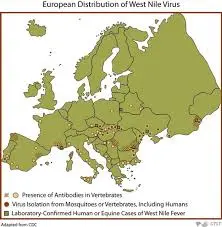
The West Nile Virus (WNV) is a significant viral infection that poses a serious health risk to humans and animals alike. First identified in 1937 in Uganda, the virus has since spread across the globe, causing widespread concern, particularly in areas with high populations of mosquitoes, its primary vectors. As of recent reports, cases of WNV have been rising in certain regions, making it crucial for the public to be informed about its transmission and prevention.
Current Events and Statistics
According to the Centers for Disease Control and Prevention (CDC), the summer months of 2023 have seen a notable uptick in West Nile Virus cases across the United States. As of September, nearly 600 confirmed cases have been reported, with several fatalities recorded. The states of California, Texas, and Illinois have reported the highest incidence rates, attributing the spread to an increase in mosquito populations due to favourable weather conditions.
In addition to the United States, other countries around the world have also reported WNV cases. For instance, Canada has seen rising cases particularly within Alberta and Saskatchewan this year. Health officials continue to emphasise the importance of monitoring mosquito populations to control the spread of the virus.
Transmission and Symptoms
The West Nile Virus is primarily transmitted through the bite of an infected mosquito. Birds are the primary hosts of the virus, and mosquitoes acquire the virus when they feed on infected birds. Humans can also contract the virus but are regarded as dead-end hosts, meaning they do not pass the virus on to other organisms.
Symptoms of WNV can range from mild to severe and typically manifest within 3-15 days after being bitten. Mild symptoms include fever, headache, body aches, and skin rashes, while severe cases can lead to neuroinvasive diseases such as meningitis or encephalitis, which may result in long-term health complications or even death.
Prevention Strategies
Preventing West Nile Virus hinges on controlling mosquito populations and personal protection measures. The CDC recommends using insect repellent containing DEET, wearing long-sleeved clothing, and avoiding outdoor activity during peak mosquito hours (dawn and dusk). Additionally, property owners are encouraged to eliminate standing water, which serves as breeding grounds for mosquitoes.
Conclusion
With the ongoing rise of West Nile Virus cases, public awareness and preventive efforts have never been more imperative. Knowledge about the virus, early identification of symptoms, and adherence to preventive measures can significantly lower the risk of infection. As health officials continue to monitor and respond to outbreaks, it remains critical for individuals to stay informed and take proactive steps to protect themselves and their communities.