Introduction
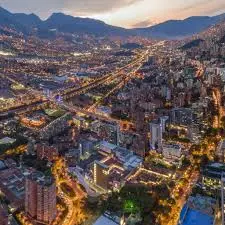
Medellin, the second-largest city in Colombia, has garnered significant attention in recent years for its remarkable transformation from a city once known for violence to a vibrant centre of culture, innovation, and social change. The importance of understanding Medellin’s transformation lies not just in its recovery but in how it has emerged as a model for urban development that others aspire to emulate.
Medellin’s Urban Transformation
Historically, Medellin was marred by the infamous drug trade, particularly in the 1980s and 1990s, which culminated in a high level of crime and socio-economic challenges. However, since the early 2000s, the city has embarked on an ambitious plan to revitalise its image. This transformation has included the development of infrastructure, public transport, and education. One of the flagship projects was the Metrocable, a cable car system that connects the poorer hillside communities to the city centre, facilitating access to jobs and educational opportunities.
Social Innovations and Cultural Renaissance
In addition to infrastructural development, Medellin has seen a surge in cultural initiatives. The city hosts numerous arts festivals and public spectacles that celebrate its diversity and creativity. The annual Festival of Flowers, for example, showcases the blossoming floral industry and traditional Colombian culture. Furthermore, the Medellin Innovation District has become a hub for startups and technology, drawing in talent and investment as it seeks to cultivate a knowledge-based economy.
Current Challenges and Future Prospects
Despite these advancements, Medellin is not without its challenges. Issues such as inequality and the remnants of violence still pose hurdles to sustained growth. According to the Colombian National Administrative Department of Statistics (DANE), the poverty rate in Medellin was approximately 27.5% in 2021, reflecting the need for continued economic inclusivity. Looking forward, city planners and leaders are focusing on sustainable development to ensure that future growth benefits all citizens, particularly those in underprivileged areas.
Conclusion
The trajectory of Medellin serves as an example of resilience and innovation, showcasing how urban environments can rebound from adversity. As it continues to grow, it is essential for policymakers and citizens to work together to maintain this positive trend and combat remaining challenges. The significance of Medellin’s transformation is not only relevant for Colombians, but it also offers insights for cities worldwide grappling with similar issues, making it a key example of urban renewal and social change.