Introduction
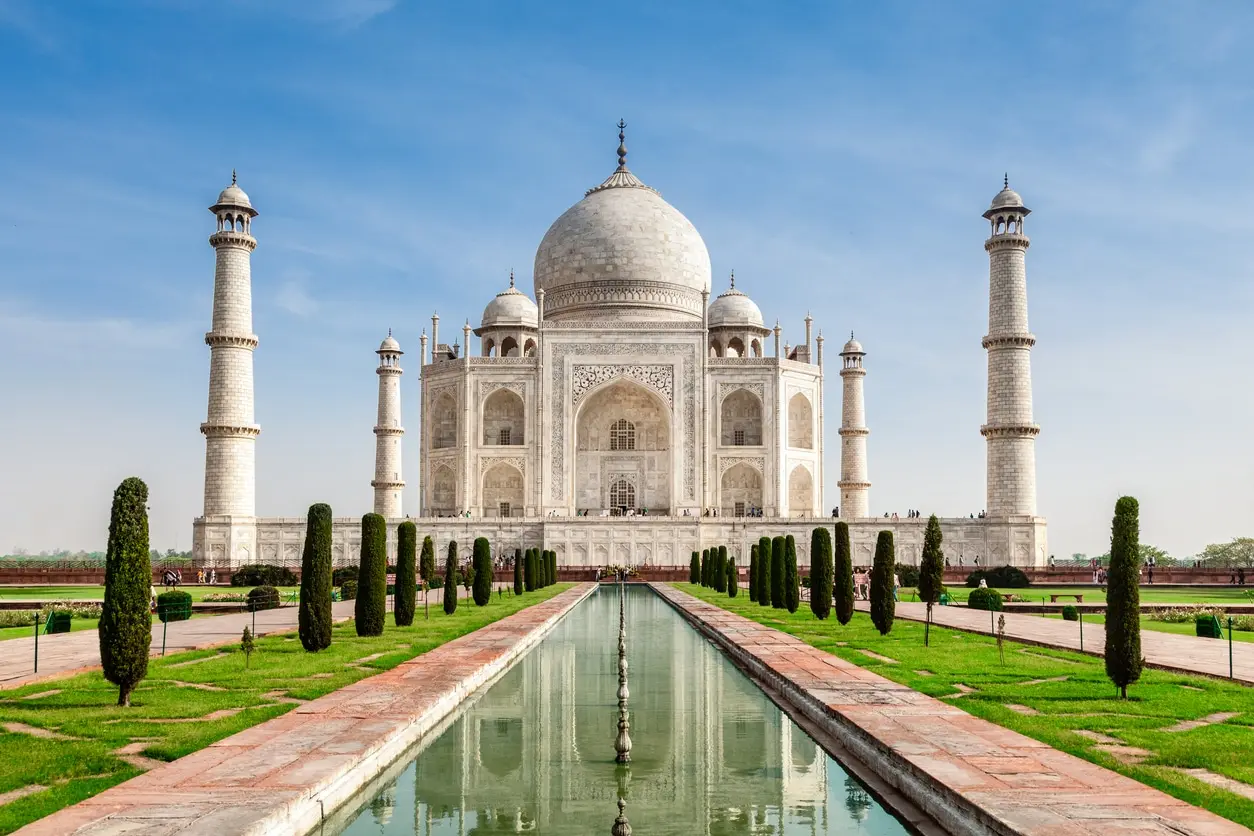
The Taj Mahal, an iconic symbol of love and architecture, is not just an extraordinary structure but also a testament to the Mughal Empire’s grandeur. Located in Agra, India, this UNESCO World Heritage Site attracts millions of visitors annually, making it one of the most recognized landmarks in the world. Its intricate design, historical significance, and standing as a universal symbol of love have cemented the Taj Mahal’s place in cultural heritage, making its preservation and ongoing relevance all the more important.
The Construction and Architecture
Commissioned in 1632 by Mughal Emperor Shah Jahan, the Taj Mahal was built in memory of his wife, Mumtaz Mahal. The construction took approximately 22 years and employed thousands of artisans and craftsmen. Characterised by its stunning white marble façade, the mausoleum features intricate carvings and inlays of precious stones. The architectural design is a fine example of Mughal architecture, combining elements from Persian, Islamic, and Indian styles.
Recent Events and Preservation Efforts
In recent years, the Taj Mahal has faced several environmental challenges, including air pollution and the structural effects of climate change. In response, the Indian government and various NGOs have initiated preservation projects aimed at restoring the monument to its original glory. In 2022, the Indian government announced plans for an extensive restoration process, focusing on both the mausoleum and the surrounding gardens. These efforts underscore the significance of the Taj Mahal not only as a tourist attraction but also as an irreplaceable piece of history.
Conclusion and Significance
The Taj Mahal continues to be a powerful symbol of love, beauty, and resilience. Its cultural and historical importance is recognised worldwide, and ongoing efforts to preserve the site highlight a commitment to safeguarding our global heritage. As environmental challenges persist and tourism fluctuates, the future of the Taj Mahal is dependent on collective action to protect this architectural wonder. For visitors and admirers alike, the Taj Mahal is more than just a destination; it is a reminder of the enduring human spirit and the legacies we leave behind.