Introduction
The Gaza Strip remains a focal point of geopolitical tension, experiencing ongoing conflicts that not only shape the lives of local inhabitants but also have profound implications for international relations and humanitarian efforts. Understanding the significance of Gaza is crucial in a world where conflicts can reverberate beyond their geographical confines, affecting regional stability and international diplomacy.
The Current Situation in Gaza
As of October 2023, the Gaza Strip is facing one of its most severe escalations in violence in years. The conflict erupted following a surprise attack by Hamas on Israel on October 7, which triggered extensive military operations by the Israeli Defence Forces (IDF) in response. Casualties have soared on both sides: thousands of Palestinians, including women and children, have been reported killed or injured, while Israel has suffered losses from rocket fire and military engagements.
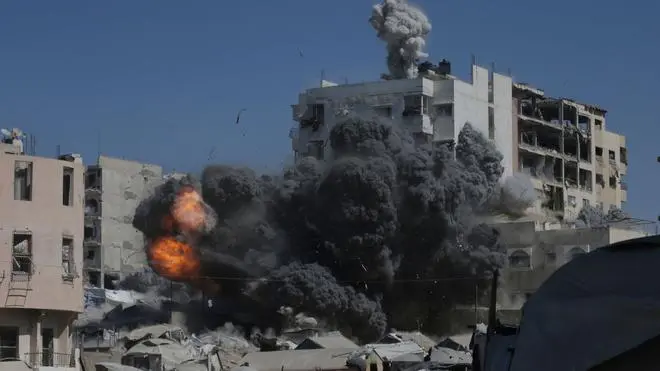
The humanitarian situation in Gaza is deteriorating rapidly. With ongoing airstrikes, critical infrastructure, including hospitals and schools, have sustained damage, leading to widespread displacement of residents. According to the United Nations, over a million people have been forced to flee their homes, seeking refuge in UN facilities—a situation exacerbated by limited access to clean water, food, and medical supplies due to an ongoing blockade.
The Historical Context
The current escalation is deeply rooted in a long history of conflict between Israel and Palestine, which dates back to the mid-20th century. Following the 1948 Arab-Israeli War, Gaza came under Egyptian control until Israel occupied the territory during the 1967 Six-Day War. The strip has since been governed by various factions, with Hamas taking control in 2007 after a violent conflict with the Fatah party. This division has led to increased tensions and animosity both within Palestinian politics and between Israel and Hamas.
International Reactions and Implications
The international community has largely responded with calls for de-escalation and immediate humanitarian aid. The United Nations, European Union, and various human rights groups have condemned the violence and called for a ceasefire. The United States has reiterated its support for Israel’s right to defend itself while also stressing the need to protect civilians in Gaza.
Conclusion
The ongoing conflict in Gaza highlights the complexities of Middle Eastern geopolitics and the enduring quest for peace. While immediate actions focus on de-escalation and humanitarian relief, the road to a lasting solution will require addressing deep-rooted issues surrounding the Israeli-Palestinian conflict, including territorial disputes, the status of refugees, and mutual recognition. As the world watches, the future of Gaza remains uncertain, but the necessity for dialogue and resolution becomes increasingly urgent.