Introduction
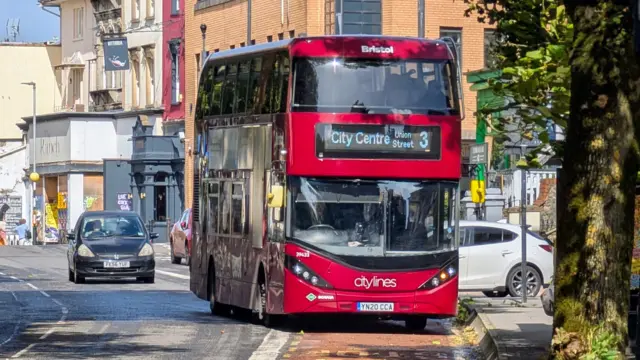
The Bristol bus strike, which began earlier this month, has become a crucial topic for both commuters and local residents. The strike highlights ongoing tensions between bus operators and drivers over pay and working conditions, underscoring the importance of public transport systems in urban settings.
Background of the Strike
Union members at Bristol’s bus services, including First Bus, walked out after negotiations over a proposed pay rise broke down. The drivers are demanding a £2 an hour increase to help cope with rising living costs. This strike comes amidst a national trend of workers in various sectors advocating for better wages, reflecting increasing pressure on wages facing workers across the country. The strike has resulted in significant disruptions to services in and around Bristol, with many residents left scrambling to find alternative transport options.
Recent Developments
As of this week, negotiations between the union, Unite, and First Bus are reportedly ongoing. The union has expressed a willingness to negotiate, yet frustrations linger as talks have yet to yield a resolution. Both parties have been exchanging proposals, but limited movement on either side has kept the strike active. The mayor of Bristol, Marvin Rees, has urged both parties to reach a settlement, acknowledging the inconvenience for public transport users.
Since the strike commenced, many residents have reported longer commute times, an increase in traffic congestion, and difficulties accessing essential services. Local businesses have also felt the pinch, as foot traffic decreases in areas dependent on bus routes.
Public Reaction
The response from the public has been mixed. Some commuters empathise with the drivers, recognising the financial pressures many are facing, while others express frustration over the impact on their daily routines. Social media platforms have been abuzz with discussions, with some users advocating for a fair settlement, while others call for better contingency plans from the bus operators.
Conclusion
The Bristol bus strike continues to impact the lives of many residents, raising essential questions about the future of public transport and its sustainability. As talks between the drivers and the management proceed, many hope for a swift resolution that addresses the drivers’ concerns while minimizing further disruption to the community. Without a timely settlement, the strike could lead to longer-term implications for Bristolian commuters, including an increase in reliance on personal vehicles or alternative transport methods, which could further complicate urban traffic and environmental challenges.