Introduction
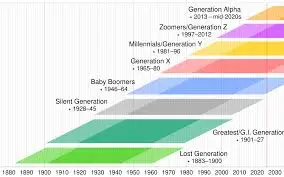
Generation Z, commonly referred to as Gen Z, encompasses individuals born from the late 1990s to the early 2010s. As the first cohort to grow up with access to the internet and social media from a young age, Gen Z is often characterised by their comfort with technology and digital communication. Understanding this generation is crucial, as they are poised to significantly influence various aspects of society, from politics and consumer behaviour to education and the workforce.
Characteristics of Gen Z
One of the defining attributes of Gen Z is their commitment to social justice and activism. Many members of this generation are vocal about issues such as climate change, equality, and mental health. Studies indicate that over 70% of Gen Z members believe that it is essential to take action on climate change. Thus, they are likely to support brands that reflect their values and commitment to sustainable practices.
Additionally, Gen Z tends to be more pragmatic compared to previous generations. With the economic challenges resulting from the pandemic, many Gen Z individuals are prioritising financial stability and education. A survey conducted by McKinsey & Company found that nearly 60% of Gen Z students are concerned about their financial future.
Technological Influence
As digital natives, Gen Z has grown up surrounded by technology. They are proficient in using smartphones, social media platforms, and various apps, making them a target market for tech companies. Their preferred platforms include TikTok, Snapchat, and Instagram, where they engage in creative content creation and peer-to-peer communication.
Their high exposure to technology has shaped their viewing habits and buying decisions. They rely on online research and peer recommendations before making purchases. This has prompted companies to adapt their marketing strategies to reach this demographic effectively.
Conclusion
In conclusion, Gen Z is a diverse and dynamic generation that is making waves in society. Their characteristics reflect a blend of technological savviness, social awareness, and a focus on financial stability. As they continue to enter the workforce and become more influential consumers, their preferences and values will likely shape the future landscape of politics, business, and culture. Understanding who Gen Z is and what they stand for is essential for anyone looking to engage with this generation meaningfully.