Introduction
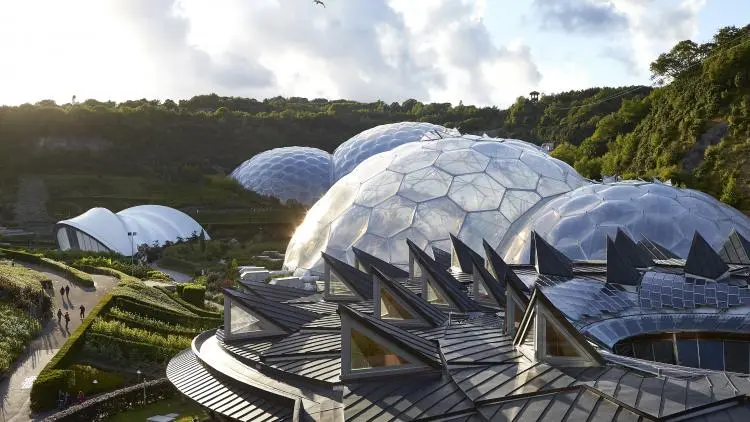
The Eden Project, located in Cornwall, UK, is a pioneering ecological site that aims to promote biodiversity and sustainability through its innovative biomes and gardens. Opened in 2001, this remarkable attraction has become a symbol of environmental consciousness, offering visitors a unique educational experience whilst showcasing the importance of protecting our planet’s ecosystems. In light of current global environmental challenges, the Eden Project serves as a critical reminder of the need for sustainable practices and conservation efforts.
The Biomes and Biodiversity
The Eden Project consists of two main biomes, the Tropical Biome and the Mediterranean Biome, which house a vast array of plant species from diverse climates around the world. The Tropical Biome features a rainforest environment encompassing over 1,000 plant species, whilst the Mediterranean Biome showcases plants from regions such as California, South Africa, and Australia. The project plays a significant role in promoting biodiversity by offering a sanctuary for many endangered species and serving as a research site for conservation initiatives.
Recent Developments and Community Impact
In recent years, the Eden Project has expanded its outreach by implementing various sustainability projects and educational programmes. For instance, the Eden Project has launched initiatives aimed at local food sustainability, water conservation, and reducing carbon footprints within the community. These efforts have been essential in raising public awareness regarding the importance of sustainability, as well as engaging local residents and schools through workshops and events. Furthermore, with the rise of climate change discourse, the Eden Project has positioned itself as a leader in ecological education by providing resources and hosting events that empower individuals to take action.
Looking Ahead
As the world grapples with the consequences of climate change, the significance of the Eden Project is projected to grow. Plans are underway for further expansion and the introduction of new educational and conservation initiatives. Additionally, the site aims to become a key player in the global dialogue surrounding biodiversity and environmental sustainability. The Eden Project represents not only a spectacular tourist attraction but also an essential platform for environmental activism and education.
Conclusion
The Eden Project is more than just an awe-inspiring collection of biomes; it is a crucial institution advocating for environmental responsibility and sustainability. As challenges such as climate change and biodiversity loss mount, the Eden Project will continue to inspire individuals, communities, and policymakers to embrace sustainable practices and appreciate the essential role of biodiversity in securing our planet’s future. With its ongoing commitment to education and conservation, the Eden Project stands as a beacon of hope for ecological sustainability.